Tooth Be Told Your Guide to Severe Toothache Relief
July 7, 2026

When a Toothache Becomes Unbearable: What You Need to Know
If you need severe toothache relief right now, here are the fastest safe steps you can take before seeing a dentist:
- Rinse with warm saltwater (½ teaspoon salt in 8 oz water, swish for 30 seconds)
- Take an NSAID like ibuprofen — the American Dental Association recommends it as the first-line option for acute dental pain
- Apply a cold compress to the outside of your cheek for 20 minutes at a time
- Avoid hot, cold, sweet, or hard foods that can trigger more pain
- Call your dentist immediately — if you have fever, facial swelling, or trouble breathing, go to the ER
These steps manage pain temporarily. They do not treat the underlying cause. Only a dentist can do that.
That sharp, throbbing pain in your tooth is hard to ignore. It can wake you up at night, make it impossible to eat, and leave you desperately searching for anything that helps.
Tooth decay is the most common cause of toothaches in both children and adults — but severe pain can also signal an infection, a cracked tooth, or an abscess that needs prompt professional care. The longer it’s left untreated, the worse it can get.
The good news? There are real, evidence-backed steps you can take right now to reduce the pain — and clear guidance on when to stop waiting and call a professional.
I’m Dr. Nina Izhaky, a graduate of NYU College of Dentistry and founder of Tribeca Dental Studio, where I’ve helped countless patients find severe toothache relief and treat the root causes behind their pain. In the sections below, I’ll walk you through everything you need to know — from safe home remedies to when it’s time to come in.
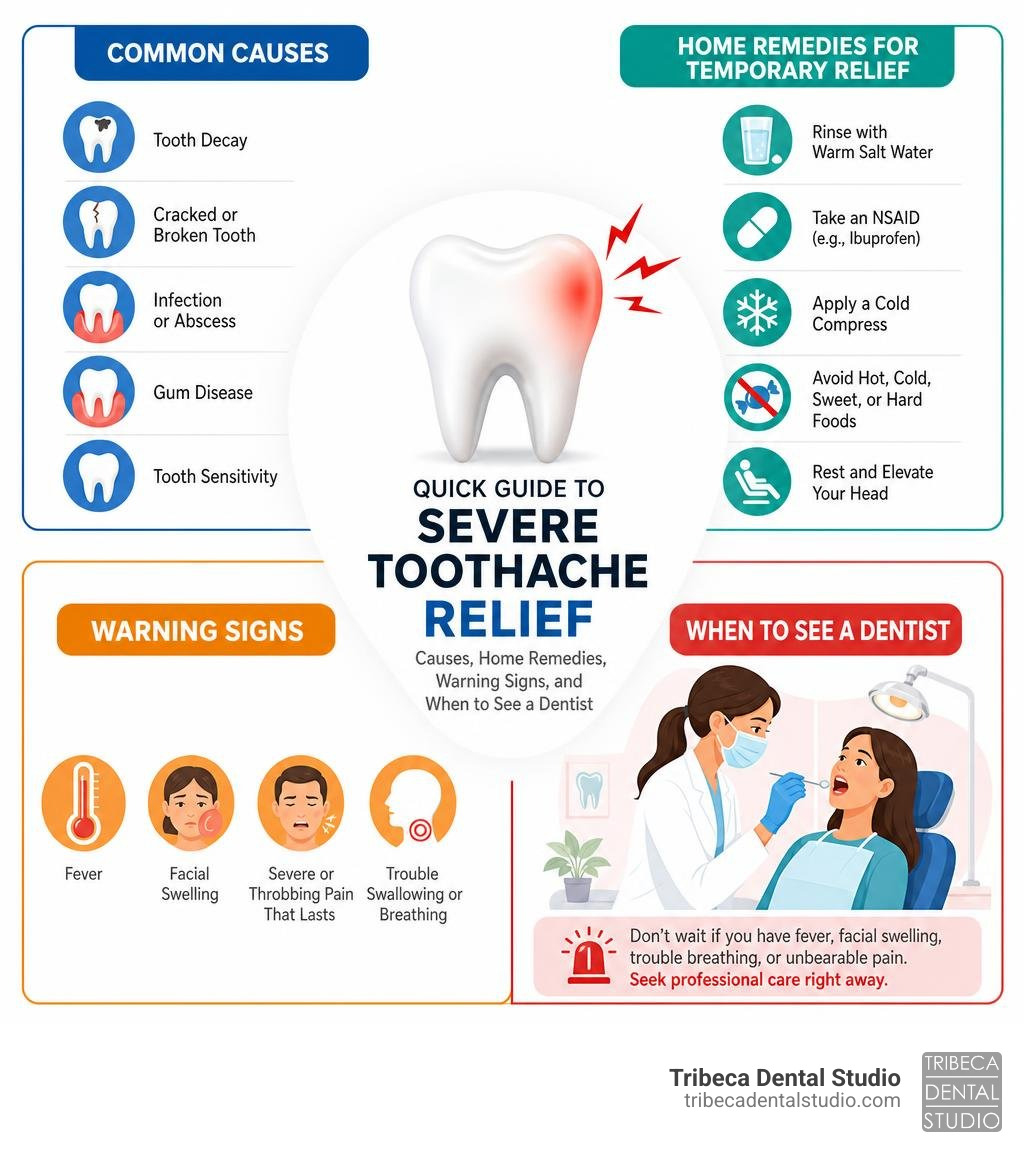
Simple guide to severe toothache relief terms:
Common Causes of Intense Dental Pain
To find lasting severe toothache relief, we must first understand what is triggering the alarm system inside your mouth. Teeth may feel like hard, inert stones, but they are actually living organs with highly sensitive nerves inside them. When these nerves are irritated, they send unmistakable, urgent distress signals to your brain.
Pulpitis
At the center of each tooth is a chamber containing the dental pulp, which is made up of nerves and blood vessels. When tooth decay or physical trauma breaches the protective enamel and dentin layers, bacteria invade this chamber. This leads to pulpitis—an inflammation of the pulp. Pulpitis can be reversible (where a simple filling can save the nerve) or irreversible (where the nerve is damaged beyond recovery and requires professional intervention).
Dental Abscess
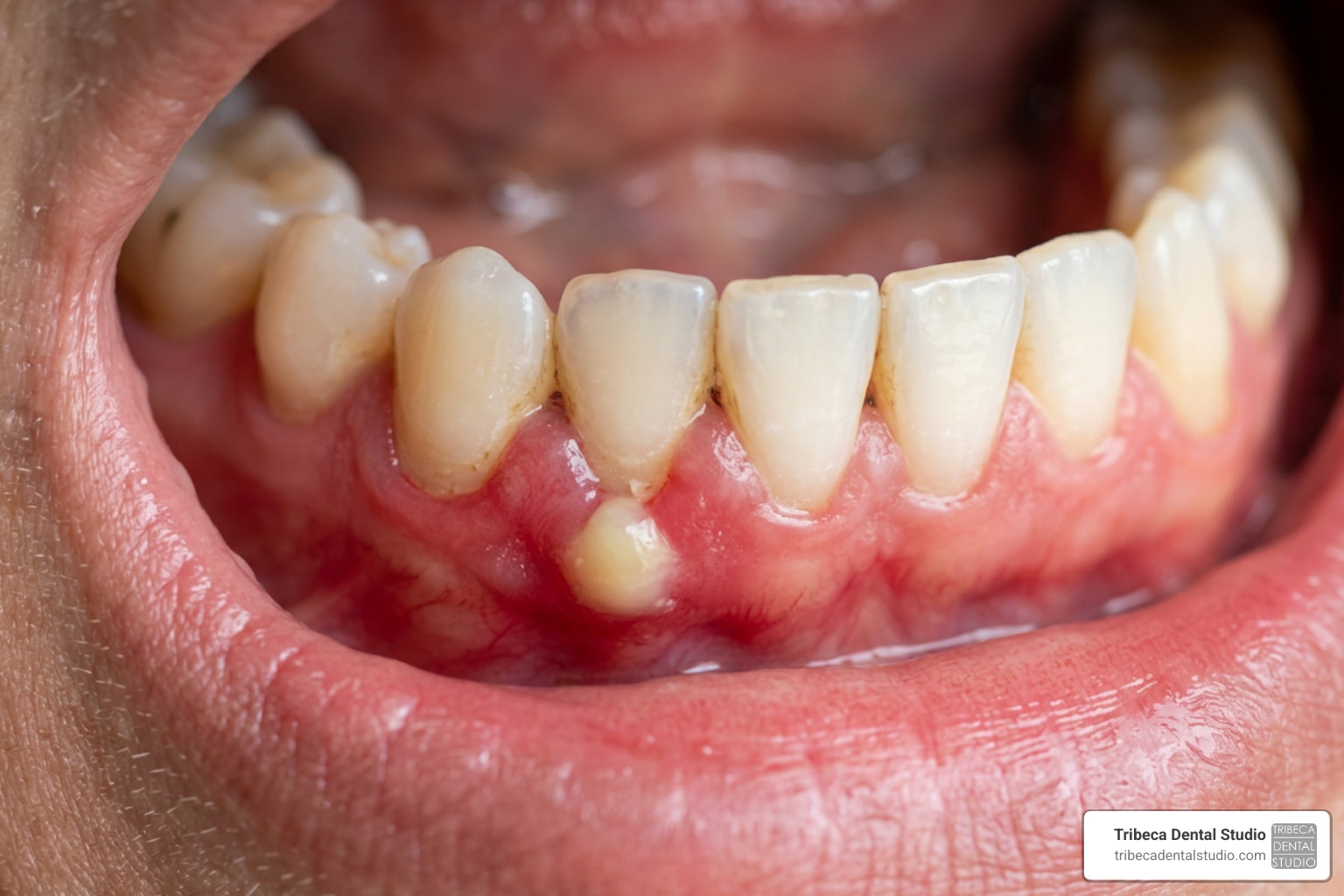
If irreversible pulpitis is left untreated, the infection can travel down the root canal and exit into the surrounding bone. This results in a dental abscess—a localized pocket of pus at the root tip or in the gums. Abscesses cause a relentless, deep, throbbing pain that can radiate to your jawbone, ear, and neck. This is a serious infection that will not go away on its own, even if the pain temporarily subsides.
Root Canal Therapy
When the nerve of a tooth is dead or dying due to decay or infection, root canal therapy is the gold-standard treatment to save the physical tooth structure. During this procedure, we gently clear out the infected pulp, disinfect the internal chambers, and seal the space to prevent future bacterial invasion.
Impacted Wisdom Teeth
Wisdom teeth, or third molars, are the last to erupt. In many cases, there simply isn’t enough room in the jaw for them to emerge properly. When they become trapped beneath the bone or gum line (impacted), they can cause severe swelling, jaw stiffness, and intense pain. They can also press against neighboring teeth, leading to structural damage or localized infections.
Cracked Enamel
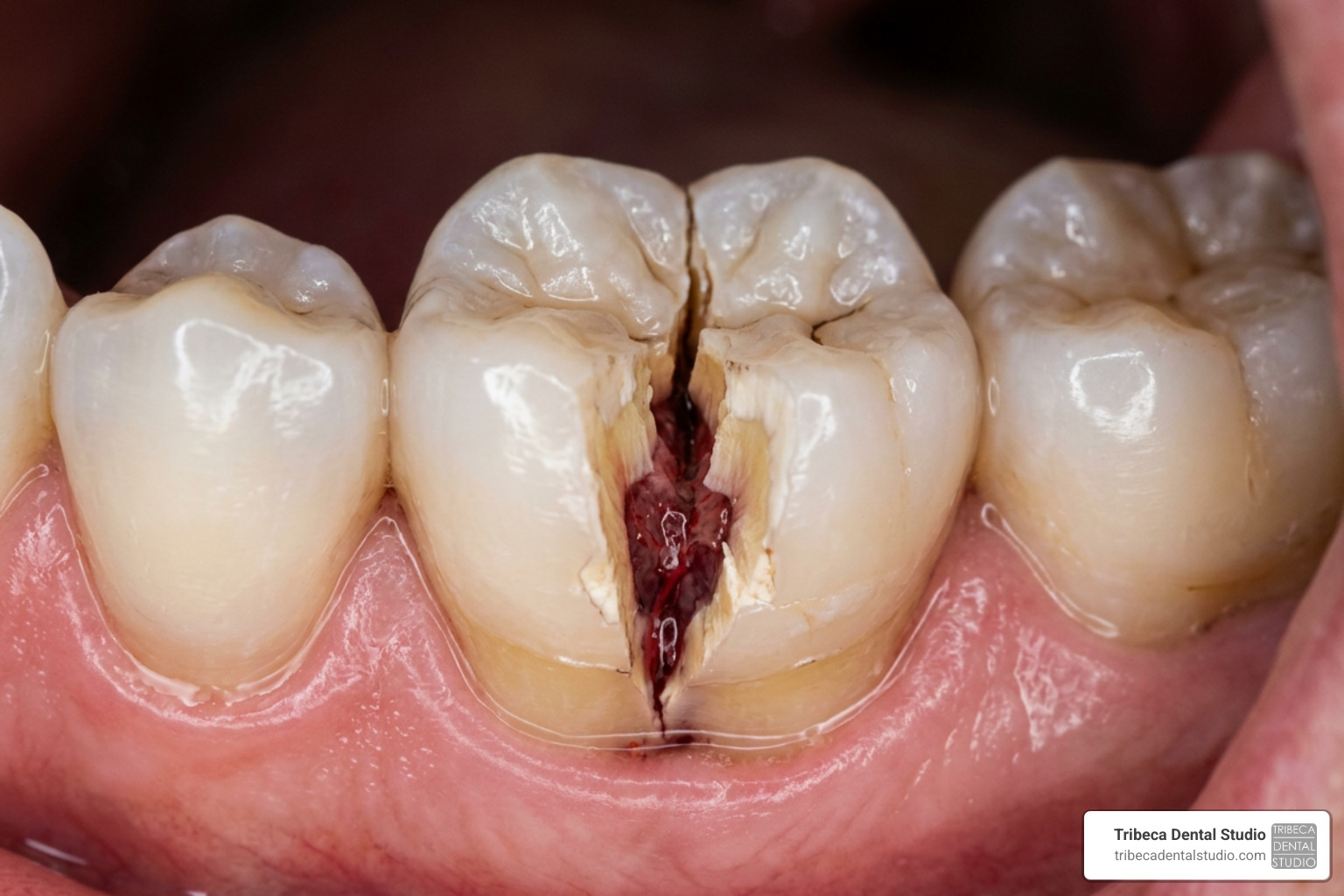
A structural compromise, such as a cracked or chipped tooth, can expose the sensitive inner dentin or nerve pathways. You might notice a sharp pain specifically when you bite down or release pressure. Understanding this symptom can help you answer the frustrating question, Why Does My Tooth Hurt When I Chew? Common Causes & Fast Relief.
Differentiating Between Sensitivity and Infection
Not all dental discomfort points to a deep-seated infection, but learning to read your symptoms can help you decide how quickly you need to see us.
- Temperature Triggers: If you feel a brief, sharp flash of pain when enjoying a hot soup or an iced drink, but the sensation vanishes within a few seconds, you are likely dealing with dentin hypersensitivity. This can happen due to gum recession, minor enamel wear, or even a recent dental procedure. However, if you have a Crown Sensitive to Cold and Hot that lingers for several minutes after the stimulus is gone, the nerve inside may be struggling with irreversible inflammation.
- Persistent Throbbing: A continuous, spontaneous ache that throbs in sync with your heartbeat is a classic warning sign of a bacterial infection or abscess. This pain does not need a trigger; it is present constantly and often intensifies when you lie down.
- Foul Taste or Odor: If you notice a bitter, salty, or highly unpleasant fluid in your mouth, it may indicate that an abscess is draining. While this drainage might temporarily ease the pressure and pain, the underlying bacterial infection is still active and requires immediate care.
- Nerve Death: Over time, a severely inflamed nerve will eventually stop sending signals altogether. If your intense pain suddenly stops completely without treatment, it doesn’t mean the problem is solved. To understand this progression, read about How Long Does It Take for a Tooth Nerve to Die? to prepare for the infection that almost always follows.
Immediate Strategies for Severe Toothache Relief
While you are waiting for your emergency dental appointment, you can use several safe, evidence-based home care strategies to take the edge off the pain.
Saltwater Rinse
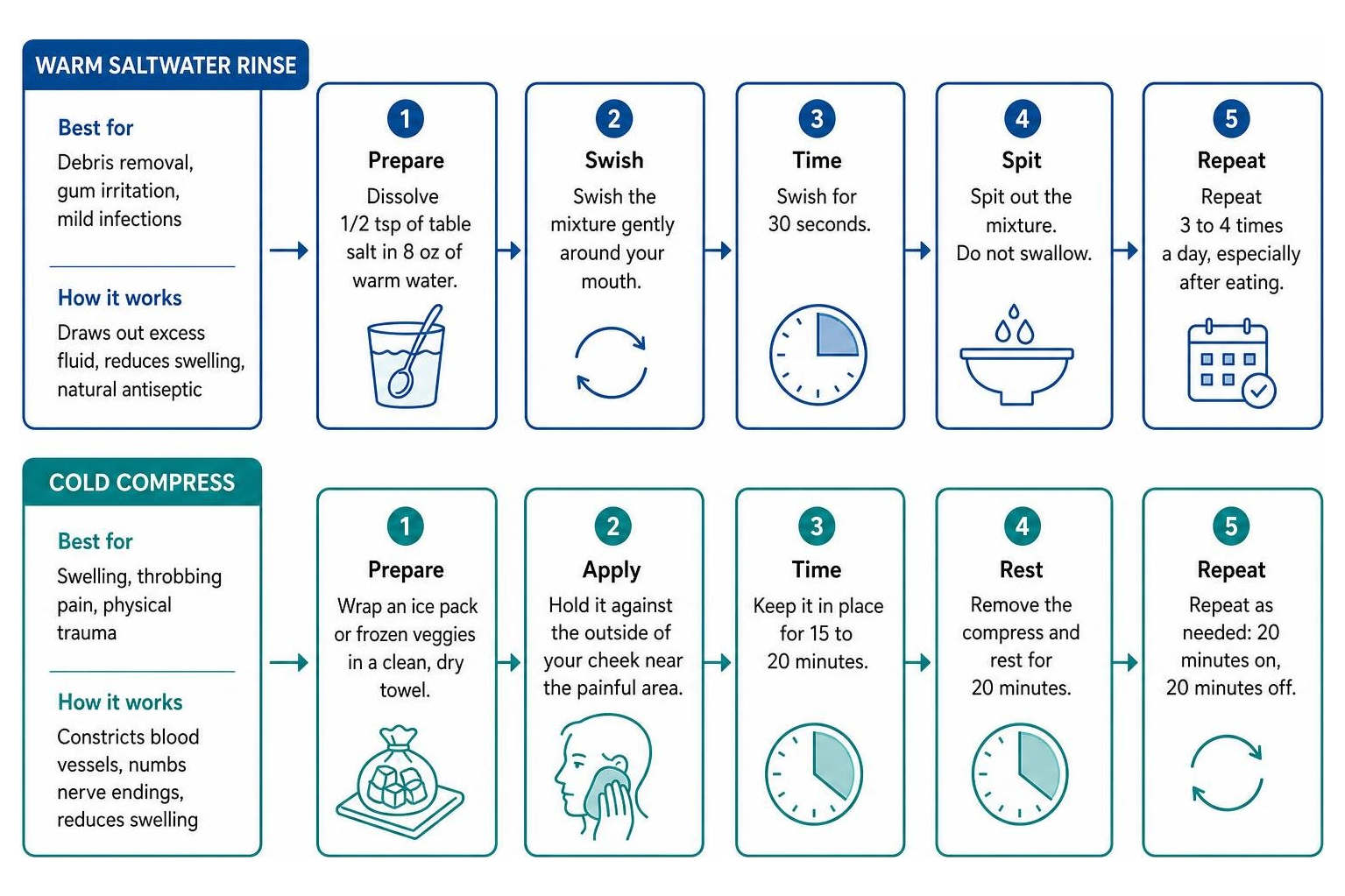
A warm saltwater rinse is one of the easiest and most effective temporary remedies. Salt is a natural disinfectant that can help draw out fluid from inflamed tissues, reducing swelling and cleaning the area.
- How to do it: Dissolve 1/2 teaspoon of table salt in 8 ounces of warm water. Swish the mixture gently around your mouth for 30 seconds, then spit it out. Do not swallow it. Repeat this 3 to 4 times a day.
Cold Compress
If your toothache is accompanied by swelling or was triggered by physical trauma, a cold compress can help constrict the local blood vessels. This numbs the area and reduces inflammation.
- How to do it: Wrap an ice pack or a bag of frozen vegetables in a clean, dry towel. Hold it against the outside of your cheek near the painful area for 15 to 20 minutes. Take a 20-minute break before reapplying to protect your skin.
Elevation
When you lie flat, blood flow rushes to your head, increasing the pressure on the sensitive nerves inside your throbbing tooth. Elevating your head with a few extra pillows when resting or sleeping can keep that pressure down and help you get some rest. This technique is also highly recommended if you are trying to figure out How to Get Rid of Braces Pain or manage general orthodontic soreness.
Hydrogen Peroxide Rinse
A diluted hydrogen peroxide rinse can help kill harmful bacteria and soothe minor oral inflammation.
- How to do it: Mix equal parts of 3% hydrogen peroxide and water. Swish the solution in your mouth for 30 seconds, then spit it out completely. Rinse your mouth thoroughly with plain water afterward. Never swallow hydrogen peroxide, and do not use this rinse for children.
| Relief Method | Best Used For | How It Works | Frequency |
|---|---|---|---|
| Cold Compress | Swelling, throbbing pain, and physical trauma | Constricts blood vessels, numbs nerve endings, and reduces tissue swelling | 20 minutes on, 20 minutes off as needed |
| Warm Saltwater Rinse | Debris removal, gum irritation, and mild infections | Draws out excess fluid from swollen tissues and acts as a mild natural antiseptic | 3 to 4 times daily, especially after eating |
Over-the-Counter Medications for Severe Toothache Relief
For most healthy adults, over-the-counter (OTC) systemic pain relievers are highly effective at managing acute dental pain until you can get into the dental chair.
According to the latest Scientific research on acute dental pain management published by the American Dental Association, nonsteroidal anti-inflammatory drugs (NSAIDs) like ibuprofen or naproxen are the recommended first-line treatment for dental pain. NSAIDs work by targeting the specific enzymes that cause painful swelling and inflammation in the jaw and gums. In fact, clinical studies have shown that NSAIDs are actually more effective at managing surgical dental pain than opioid medications, with far fewer side effects and risks.
If you cannot take NSAIDs due to underlying health conditions (such as stomach ulcers, kidney issues, or pregnancy), acetaminophen is a reliable alternative. For severe pain, some adults benefit from combining ibuprofen and acetaminophen, as they target pain through different pathways in the body. Always consult a healthcare professional before combining medications, and strictly follow the packaging guidelines to avoid accidental liver or kidney damage.
For parents managing a child’s dental discomfort, please consult the Pediatric Acute Pain Guideline for safe, weight-based dosing. Never give aspirin to children or teenagers due to its link to a rare but serious condition called Reye’s syndrome.
Safety Risks of Benzocaine for Severe Toothache Relief
When dealing with a painful tooth, it can be tempting to reach for over-the-counter topical numbing gels or drops containing benzocaine. However, health organizations like the FDA and Mayo Clinic advise extreme caution when using these products.
Benzocaine is a local anesthetic that works by temporarily blocking nerve signals in the gums. While it can provide brief numbing relief (typically lasting only 15 to 30 minutes), it does not treat the source of the pain and can easily wash away with saliva.
More importantly, benzocaine has been linked to a rare but life-threatening condition called methemoglobinemia. This condition severely reduces the amount of oxygen that your red blood cells can carry throughout your body.
Because of this risk, never use benzocaine products on children under the age of 2. For older children and adults, it is highly recommended to speak with a dental professional before using these products, and to never exceed the recommended dose.
If you or someone else uses a benzocaine product, monitor closely for the Warning signs of benzocaine complications, which include:
- Pale, gray, or blue-colored skin, lips, or nail beds (cyanosis)
- Shortness of breath or rapid breathing
- Unusual fatigue, dizziness, or severe headaches
- A rapid heart rate or feelings of confusion
If any of these symptoms develop after applying a topical numbing product, seek emergency medical attention immediately.
When to Seek Emergency Dental Care
A mild toothache can sometimes wait a day or two for a scheduled appointment. However, certain symptoms indicate that an infection is spreading and requires immediate, same-day attention.
If you experience any of the following symptoms, do not wait. Contact our team for an Emergency Dentist Tribeca NYC: Same-Day Relief, Open 7 Days a Week evaluation:
- Facial or Jaw Swelling: Swelling that is visible on your cheek, jawline, or neck is a clear sign that a bacterial infection is expanding beyond the tooth bone.
- Fever: A high temperature indicates that your body’s immune system is actively fighting a spreading systemic infection.
- Difficulty Swallowing or Breathing: If swelling in your mouth or neck begins to interfere with your ability to swallow, speak, or breathe, this is a life-threatening medical emergency. Go to the nearest emergency room immediately.
For comprehensive, urgent support in Manhattan, our team at Tribeca Dental Studio is fully equipped to handle severe infections, dental trauma, and sudden, unbearable pain. Learn more about how we can help you find fast relief through Urgent Dental Care NYC.
Foods and Habits to Avoid During a Flare-up
When a tooth nerve is highly inflamed, certain everyday habits and foods can trigger intense waves of pain. To keep your pain levels manageable while you wait for your appointment:
- Avoid Extreme Temperatures: Stay away from steaming hot coffee, hot soups, ice water, and ice cream. Stick to lukewarm or room-temperature foods and liquids.
- Limit Sugary and Acidic Foods: Plaque bacteria feed on sugars and starches, producing acids that can directly irritate an open cavity or exposed nerve. Avoid sodas, citrus fruits, candies, and sweet juices.
- Do Not Smoke: Smoking and using tobacco products restrict blood flow to your oral tissues, which slows down your body’s natural healing process and can worsen underlying gum irritation.
- Avoid Chewing on the Affected Side: Hard, crunchy, or sticky foods (like nuts, chips, or crusty bread) can physically pressure a cracked tooth or damaged filling, triggering intense pain. To protect your teeth, read more about Why Does It Hurt When I Chew? and adjust your diet to soft, easy-to-chew options like yogurt, applesauce, or mashed potatoes.
Professional Treatments and Long-Term Prevention
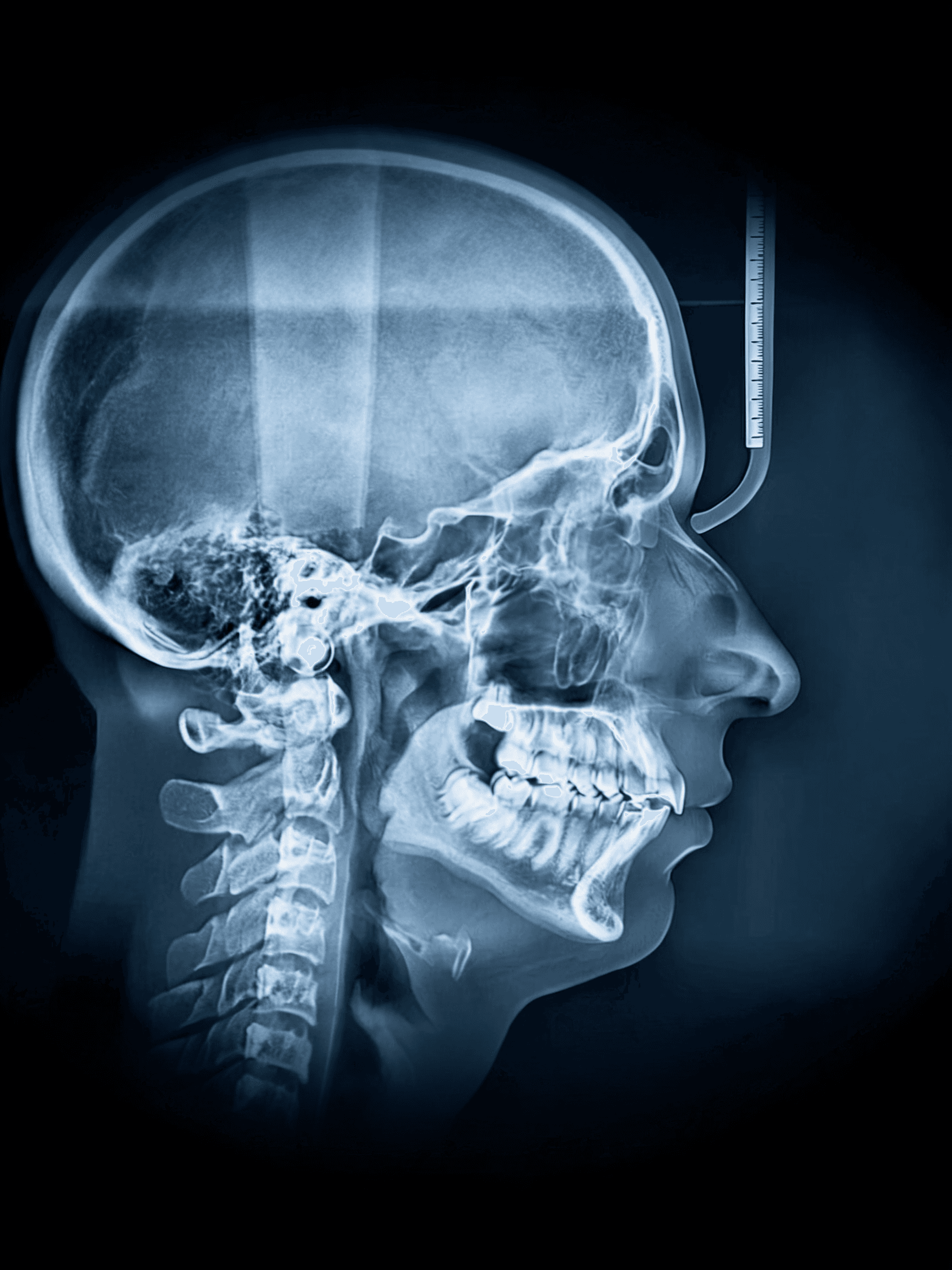
When you visit us with a severe toothache, our first priority is to diagnose the exact cause of your pain using digital X-rays and a gentle clinical exam. Once we identify the source, we will discuss a personalized treatment plan to resolve the issue and restore your comfort.
Depending on your diagnosis, professional treatment may include:
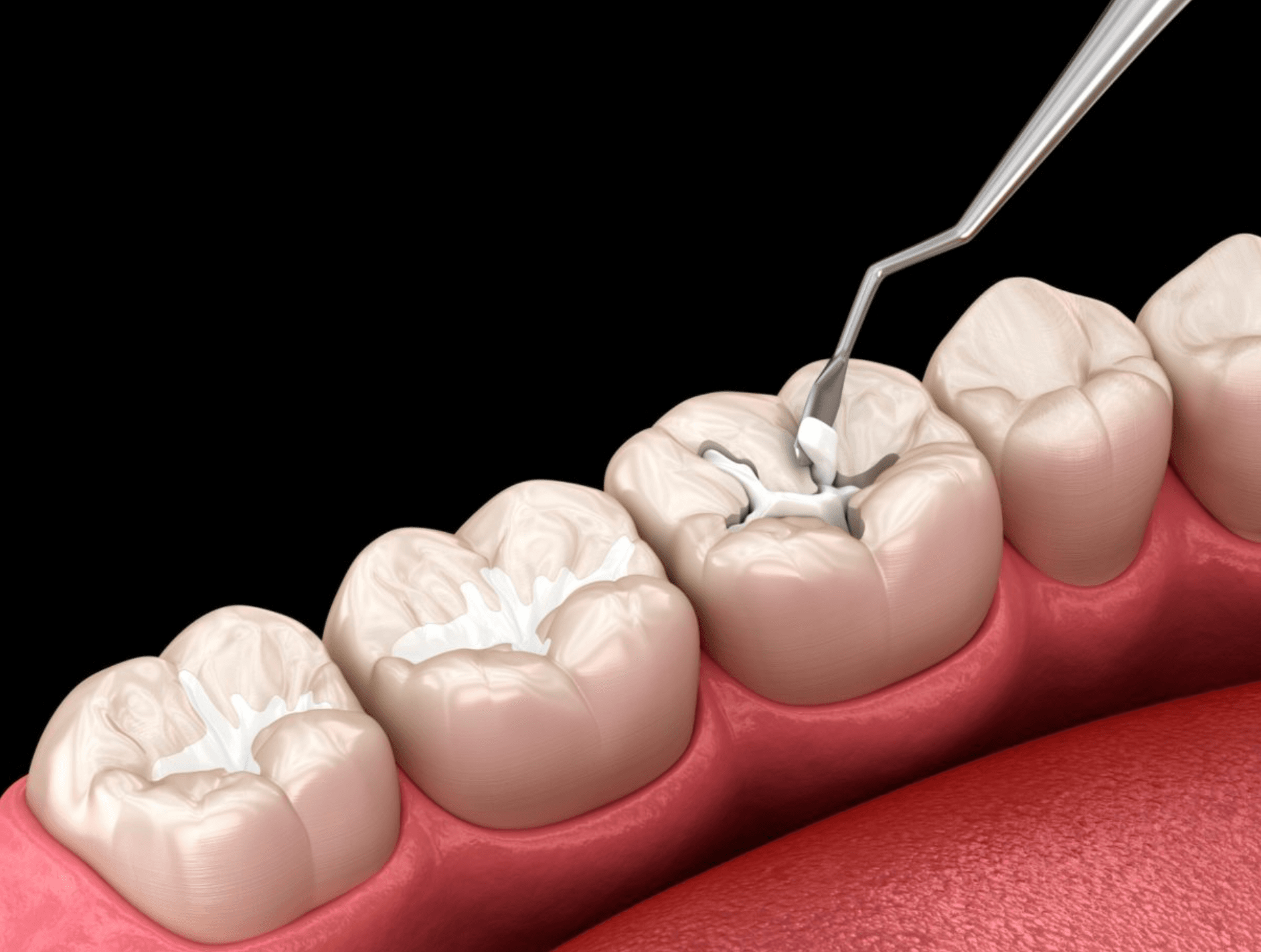
- Dental Fillings: If your pain is caused by moderate decay, we can gently remove the damaged enamel and place a Painless Dental Filling to restore the tooth’s structure and protect the inner nerve.
- Dental Crowns: For teeth with deep decay, large cracks, or those that have recently undergone a root canal, a custom-matched crown is placed over the tooth to restore its strength. If you have an older restoration that is causing you discomfort, understanding Why Does a Crowned Tooth Hurt Years Later? Causes, Symptoms, and Treatments can help guide your next steps.
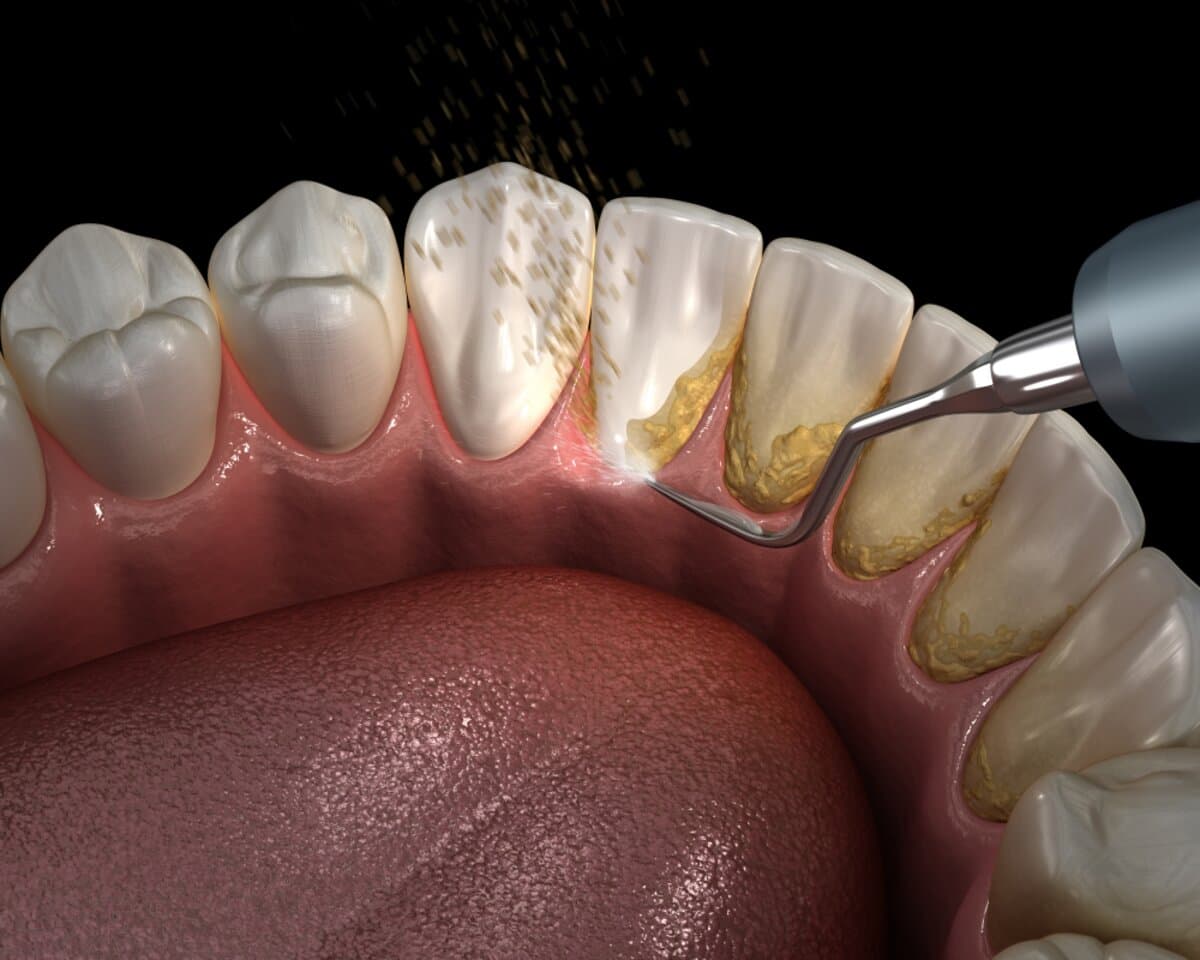
- Advanced Periodontal Care: Sometimes, severe pain stems from advanced gum disease rather than the tooth itself. Our highly experienced team provides specialized periodontal care, including deep cleanings (scaling and root planing), to eliminate deep-seated bacteria and protect your gum tissues.
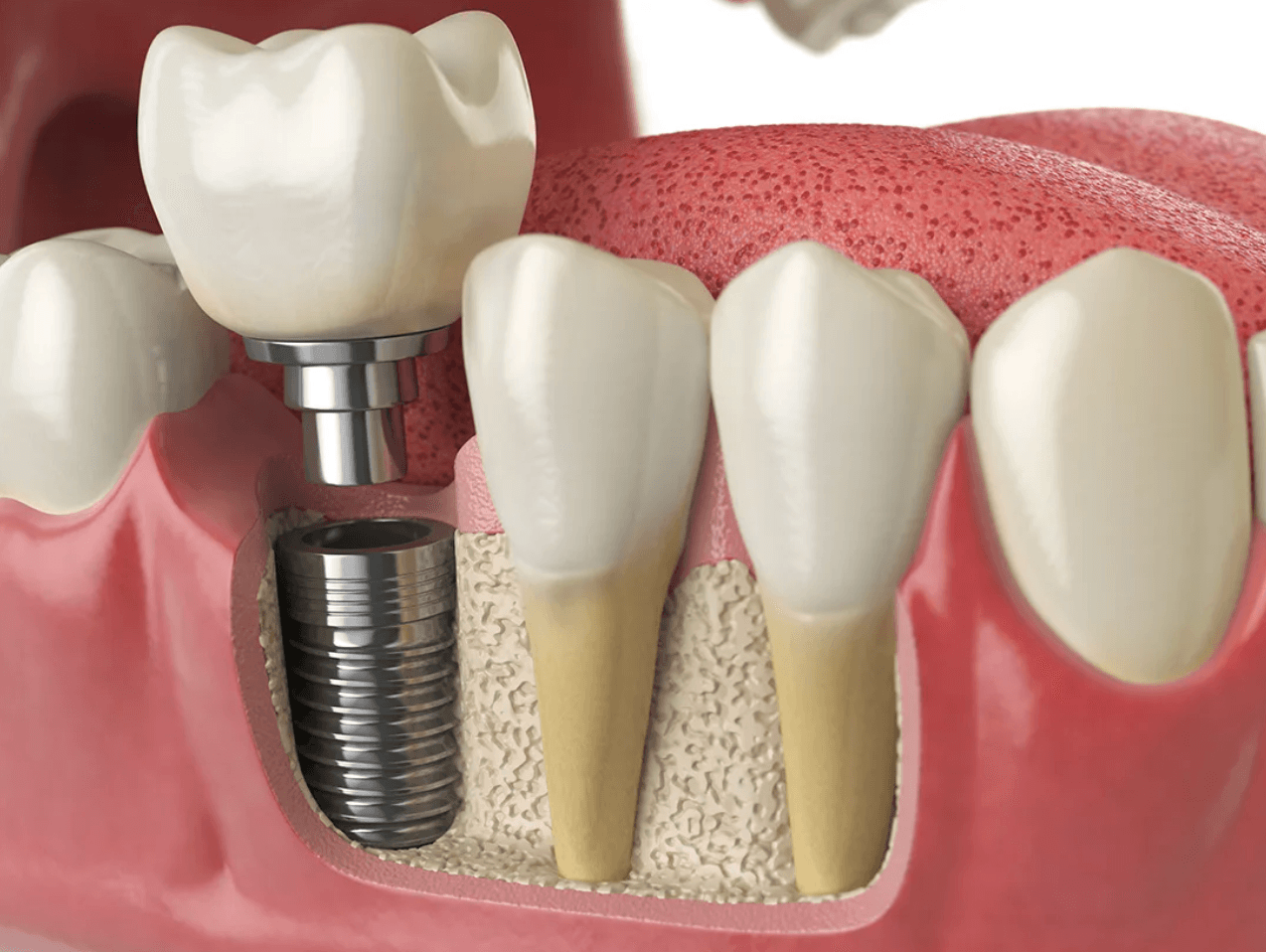
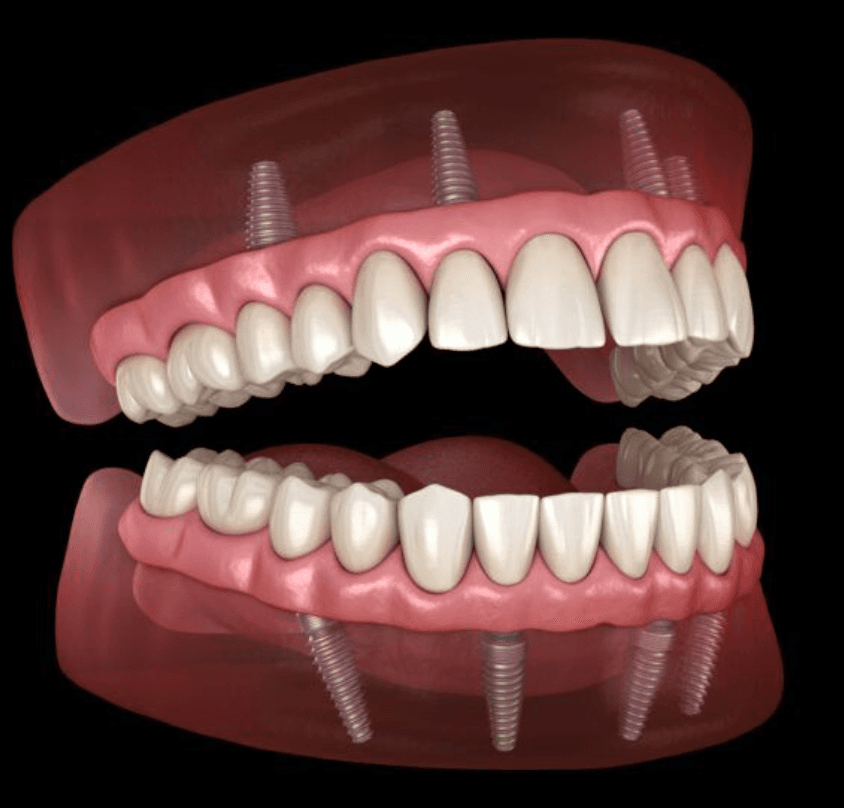
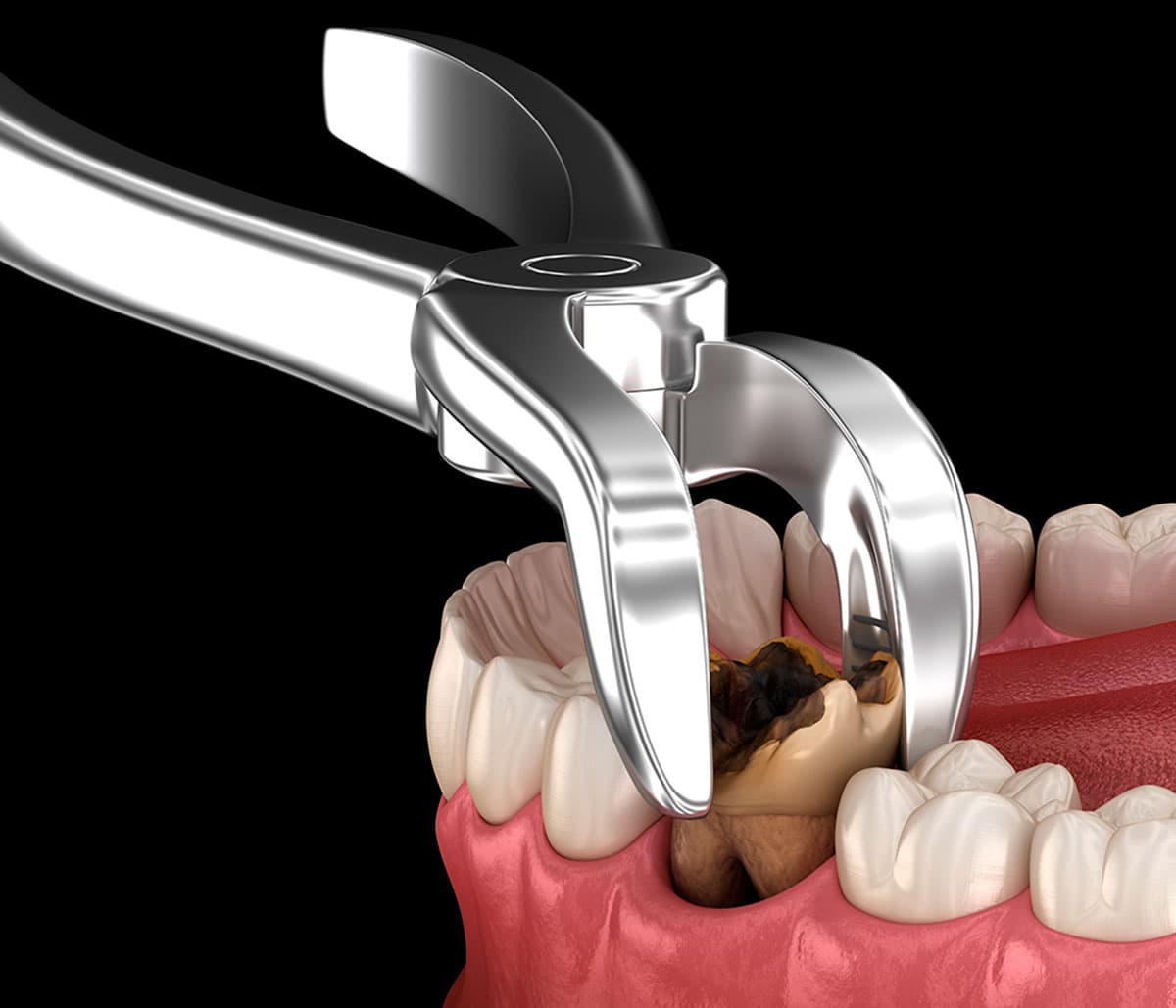
- Full-Mouth Reconstruction & Implants: If a tooth is too severely damaged to save, a gentle extraction may be necessary. At Tribeca Dental Studio, we are known for our advanced implant dentistry, including zygomatic implants and comprehensive full-mouth reconstructions. Led by highly experienced specialists like Dr. Sam Morhaim, we are committed to predictable, high-success outcomes that restore both your oral health and your confidence.
We understand that visiting the dentist when you are already in pain can feel overwhelming. That is why we are dedicated to providing a warm, welcoming environment and offering Pain-Free Dentistry options, including dental sedation, to ensure you feel completely safe and comfortable throughout your visit.
Preventing Future Toothaches
The best way to manage a severe toothache is to prevent it from developing in the first place. By maintaining a simple, consistent oral hygiene routine, you can protect your teeth from deep decay and painful infections:
- Brush Twice a Day: Use a soft-bristled toothbrush and a fluoride toothpaste to gently clean your teeth for at least two minutes, twice daily.
- Floss Daily: Clean between your teeth once a day to remove plaque and food particles where your toothbrush cannot reach.
- Use an Antibacterial Mouthwash: Rinsing once or twice a day can help reduce harmful bacteria and protect your gums.
- Schedule Regular Cleanings: Routine cleanings and professional exams allow us to identify and treat minor issues—like a tiny cavity or early gum irritation—long before they turn into a painful emergency.
Frequently Asked Questions about Tooth Pain
How long can I wait to see a dentist for a severe toothache?
You should see a dentist as soon as possible, ideally within 24 to 48 hours of the pain starting. If your toothache lasts for more than 2 days, does not respond to over-the-counter pain relievers, or is accompanied by swelling or a fever, it requires urgent, professional attention. Ignoring a severe toothache can allow an underlying infection to spread to other areas of your face, neck, or bloodstream, leading to more complex and costly treatments.
Are natural remedies like clove oil or garlic effective?
Natural remedies like clove oil (which contains eugenol, a natural anesthetic) or crushed garlic (which contains allicin, a natural antimicrobial compound) can provide mild, temporary relief for some people. However, these remedies only mask the pain for a short period and cannot cure a physical cavity, a cracked tooth, or a deep-seated bacterial infection. They should only be used as temporary measures while you are waiting to see your dentist.
Why does my toothache feel worse when I lie down at night?
When you lie down flat to sleep, the change in posture causes blood to pool in your head and upper body. This increased blood flow exerts higher physical pressure on the already inflamed, sensitive tissues and nerves inside your painful tooth. To help sleep more comfortably, try keeping your head elevated with several pillows and take an NSAID before bed as directed by your healthcare professional.
Conclusion
A severe toothache is your body’s way of telling you that a dental issue needs urgent attention. While warm saltwater rinses, cold compresses, and over-the-counter pain relievers can help you manage the discomfort temporarily, they cannot cure the underlying infection or structural damage.
At Tribeca Dental Studio, we believe that dental care should be comprehensive, advanced, and above all, welcoming. Led by Dr. Nina Izhaky, our personalized approach to dentistry means we treat every patient who walks through our doors like family. Whether you need a simple filling, advanced periodontal care, or a comprehensive full-mouth reconstruction, our highly experienced team is here to support you every step of the way.
If you are experiencing intense dental pain, don’t wait for the problem to worsen. Contact us today to schedule an emergency appointment with our trusted, leading Emergency Dentist Tribeca NYC: Same-Day Relief, Open 7 Days a Week team and get the fast, gentle care you deserve.