Indication 01
Irreparable Decay or Infection
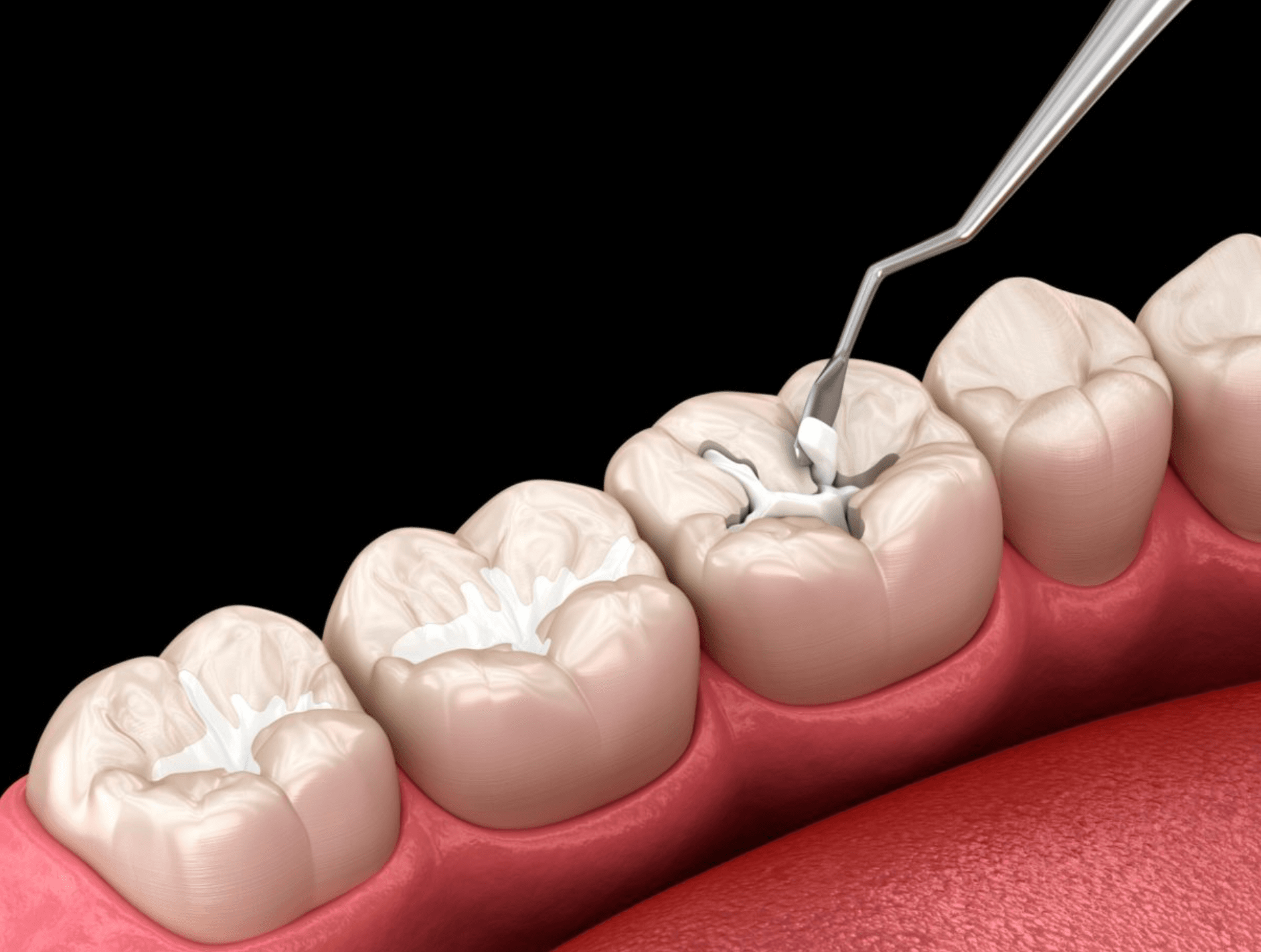
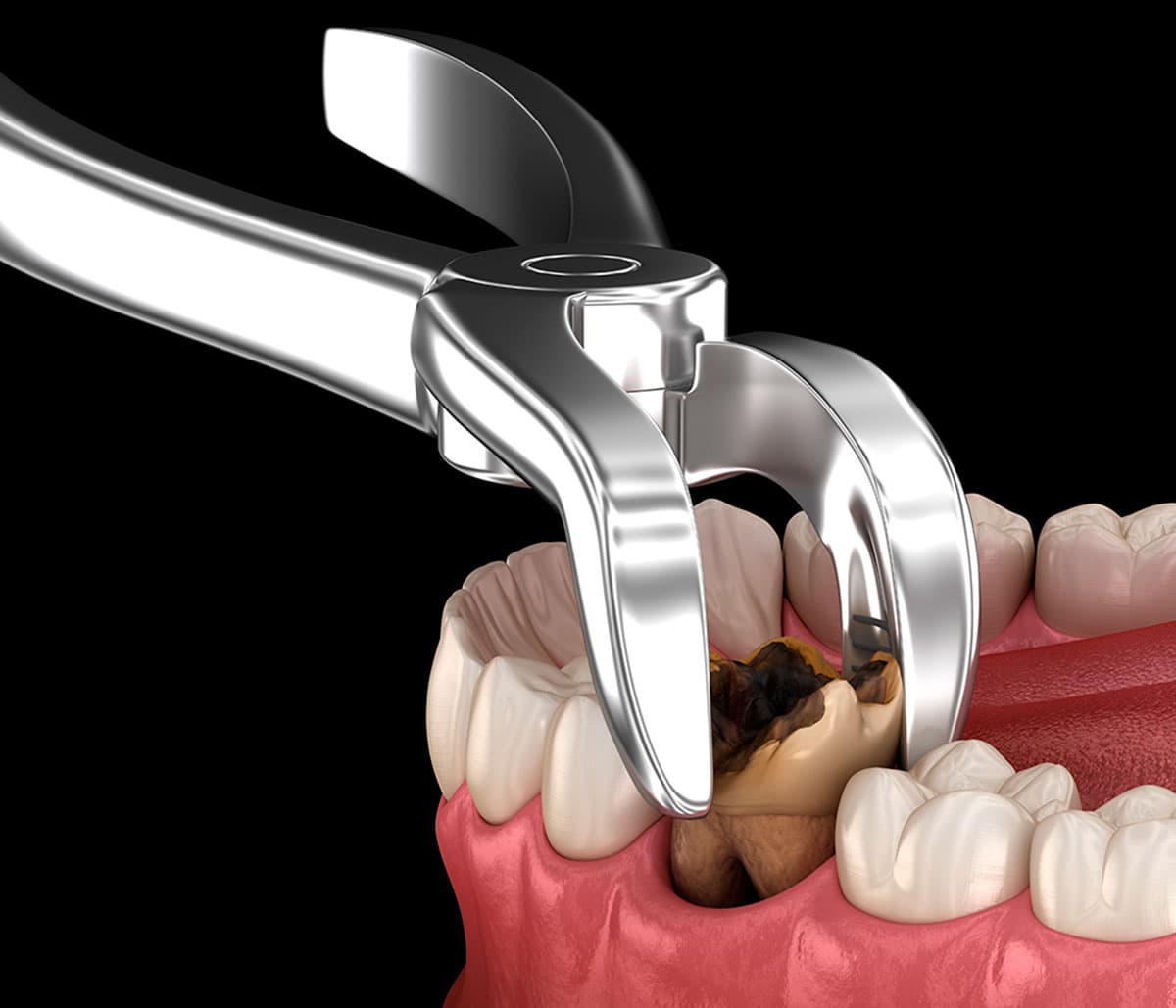
When decay has destroyed the tooth structure beyond the support of a crown or root canal.
Led by renowned Oral & Maxillofacial Surgeon Dr. Cameron Lewis, DDS. We prioritize preserving your natural teeth whenever possible, but when extraction is required, we deliver gentle, tissue-preserving surgical care with seamless implant replacement.
Precision Tissue-Preserving Extraction
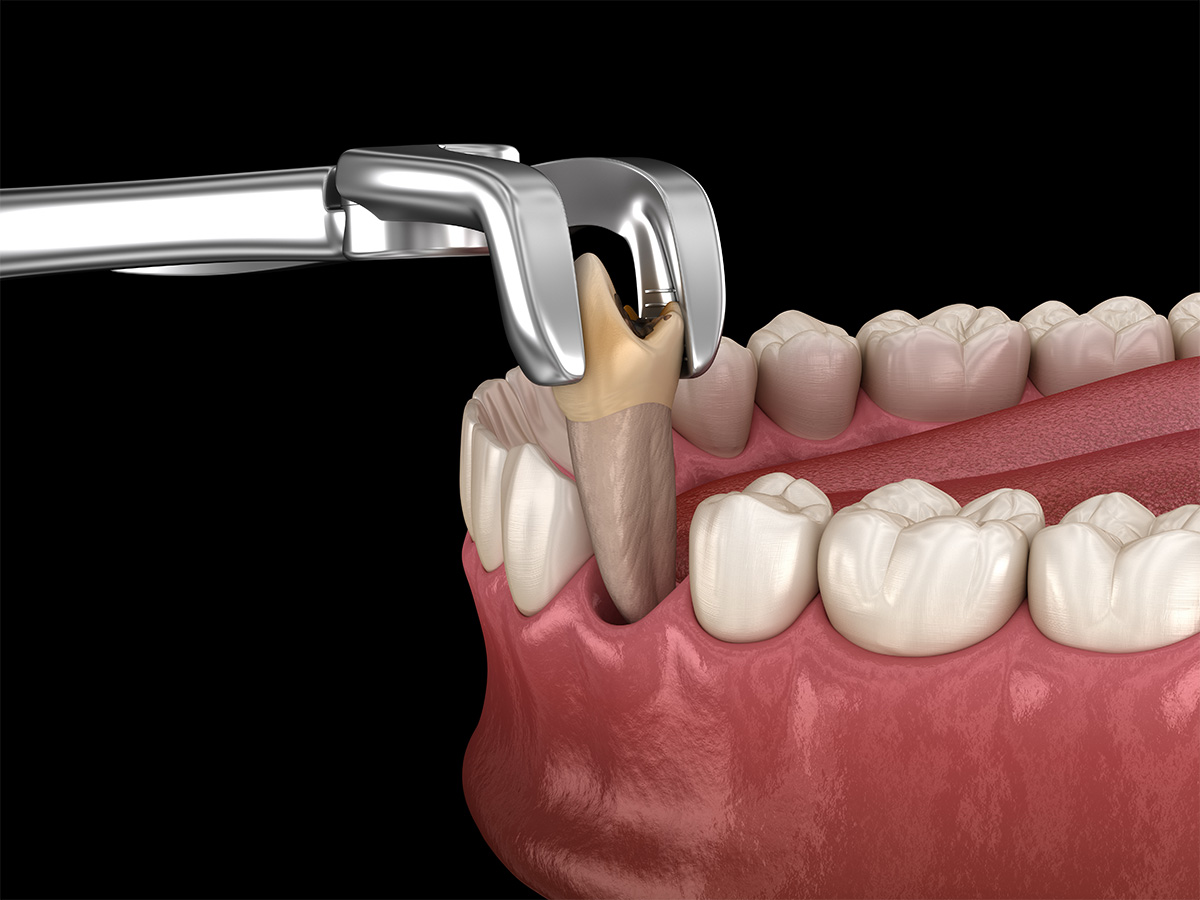
Surgical precision wisdom tooth extraction and socket preservation led by Dr. Cameron Lewis, DDS.
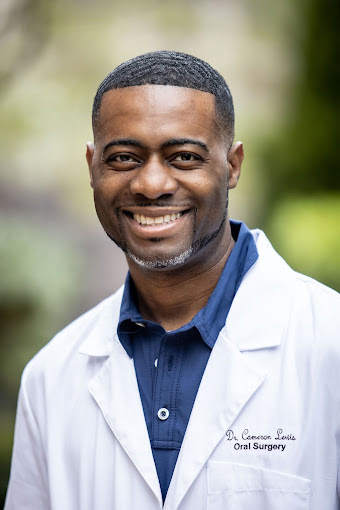
Oral & Maxillofacial Surgeon
Trained at Howard University, UCLA Harbor Medical Center, and New York Medical College, Dr. Lewis brings unmatched surgical precision, media acclaim (Forbes, Men's Journal), and a deeply compassionate bedside manner.
When decay has destroyed the tooth structure beyond the support of a crown or root canal.
Severe physical trauma resulting in vertical root fracture below the gumline.
Painful, crowded, or impacted third molars threatening adjacent teeth and alignment.
Severe gum disease where irreversible bone loss destroys tooth support stability.
Strategic extraction to resolve severe crowding prior to Invisalign® or braces.
Persistent apical infection where endodontic re-treatment is no longer viable.
Replacing an extracted tooth is essential to protect your jawbone and prevent neighboring teeth from shifting:
Placing a bone graft immediately into the extraction socket preserves bone volume and facial structure.
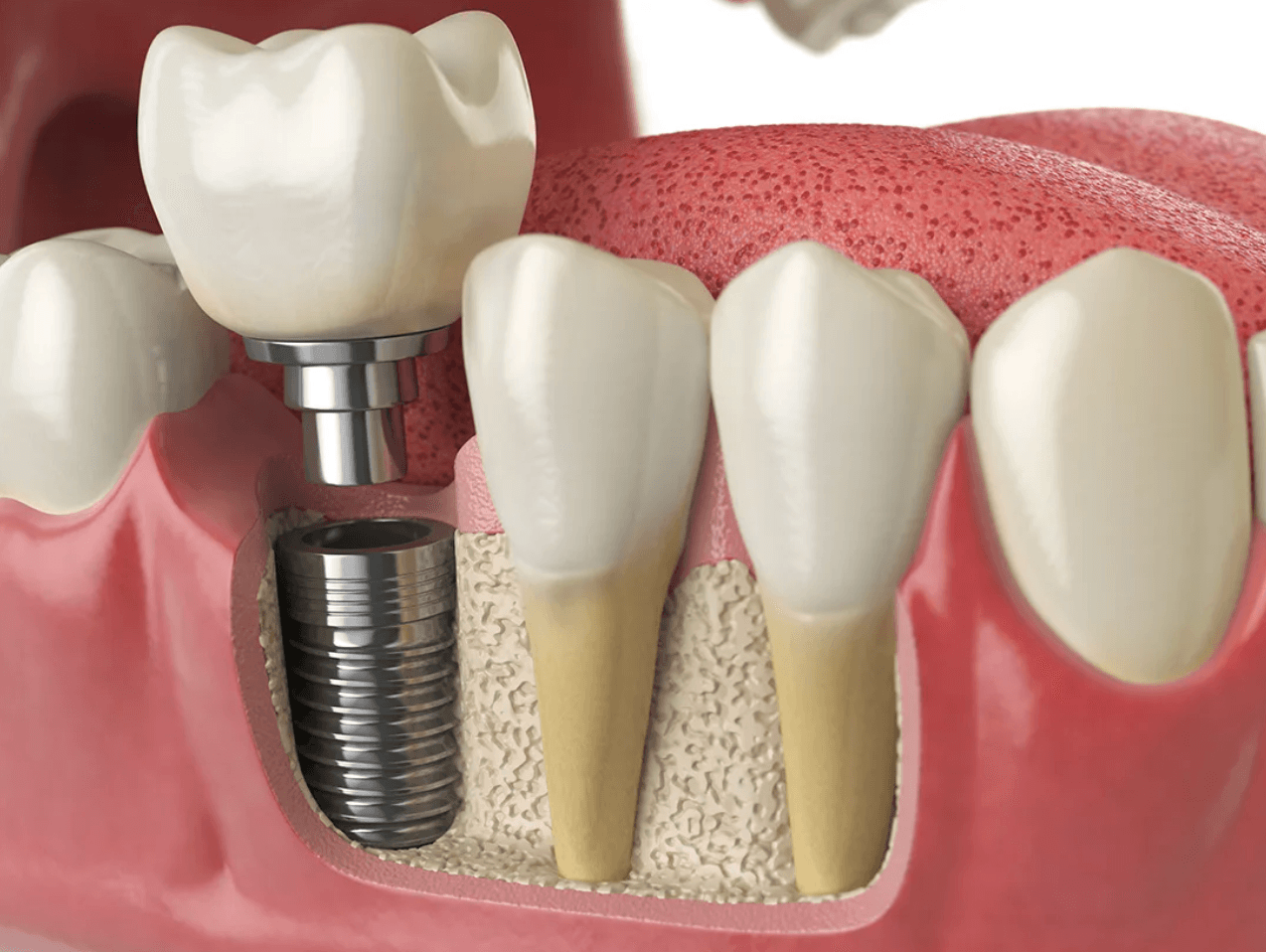
When clinically ideal, Dr. Lewis places the implant fixture directly into the socket during the same visit.
Prevents jaw recession, cheek hollowing, and secondary dental misalignment.
We always evaluate natural tooth preservation first. Here is how we help you weigh your options:
Saves your natural tooth structure by removing infected internal pulp, cleansing canals, and capping with a protective ceramic crown.
✓ Preserves natural root and bone signals
✓ Fast 1-to-2 visit procedure
✓ Ideal when enough healthy crown structure remains
Completely removes hopelessly compromised teeth to eliminate infection and pain, paving the way for a permanent dental implant.
✓ Eliminates persistent or deep bone infection
✓ Replaces hopeless structure with a lifelong titanium implant
✓ Performed with tissue-preserving surgical precision
Bite firmly on gauze for 30–45 minutes to control bleeding. Apply cold ice packs intermittently.
Stick to soft foods. Strictly AVOID straws, smoking, spitting, or vigorous rinsing to prevent dry socket.
Begin gentle warm saltwater rinses after meals. Avoid brushing directly over the socket. Resume routine in 2–3 days.
No. Thanks to modern local anesthetics and available sedation options, you will not feel pain during the procedure. You may feel mild pressure as the tooth is gently eased out.
For complex or impacted teeth, Dr. Lewis carefully divides the tooth into smaller sections. This minimizes pressure on surrounding bone, reduces trauma, and speeds recovery.
In many cases, an immediate implant can be placed the exact same day. If bone regeneration is needed, the area typically heals in 2 to 4 months before placement.
Dry socket occurs if the healing blood clot dislodges from the socket. Prevent it by avoiding straws, smoking, spitting, and hard rinsing during the first 48 hours.
Experience compassionate, tissue-preserving oral surgery in Lower Manhattan.
Book Consultation Now