Your Guide to a Restored Smile: From Inlays to Implants
June 12, 2026

What Are Your Dental Restoration Options?
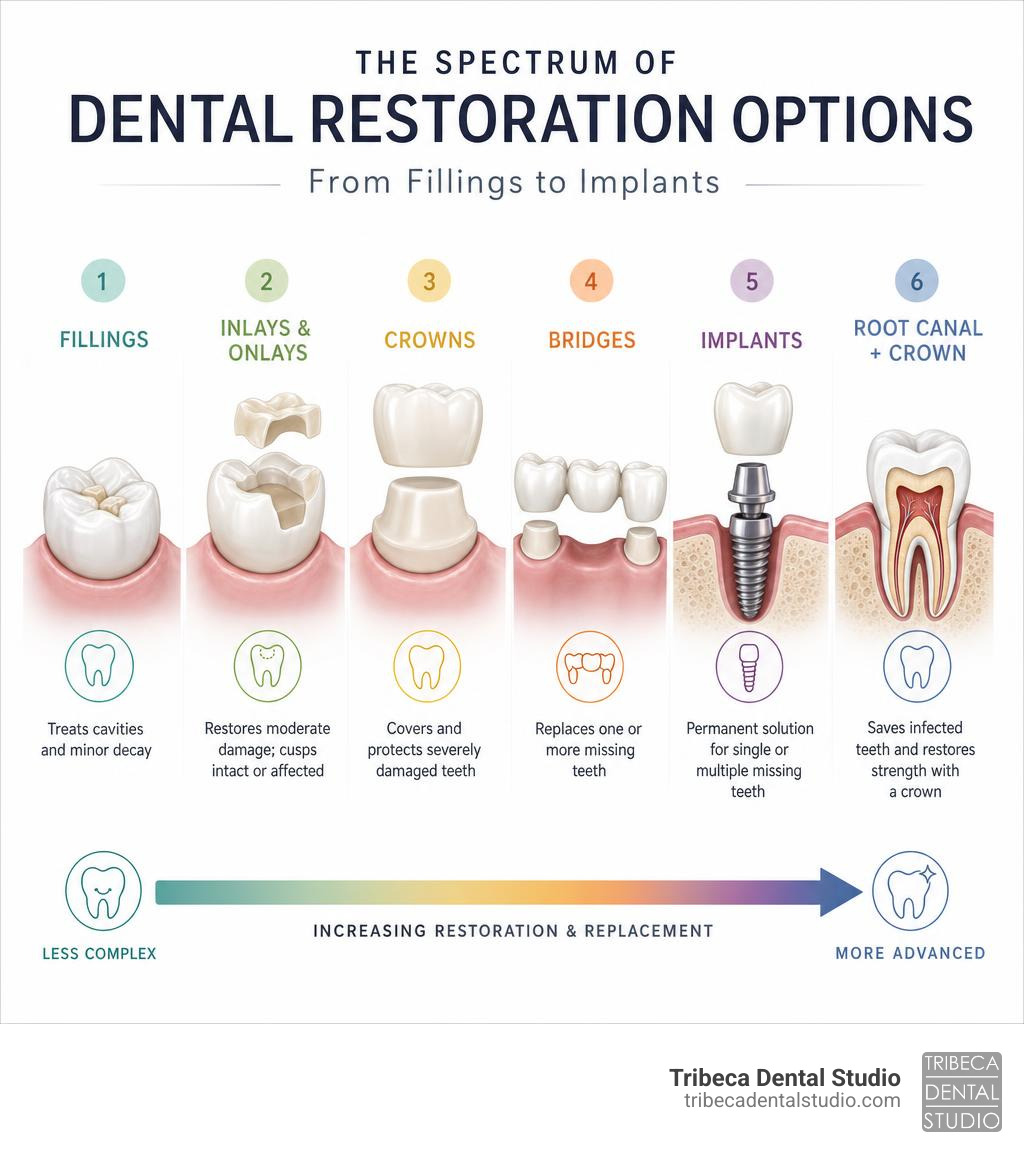
Dental restoration options range from simple fillings to full implants, depending on how much tooth structure has been lost or damaged. Here’s a quick overview:
| Restoration Type | Best For | Typical Lifespan |
|---|---|---|
| Fillings | Cavities, minor decay | Up to 20 years |
| Inlays & Onlays | Moderate damage, cusps intact or affected | 10-15+ years |
| Crowns | Severely damaged or decayed teeth | 15-30+ years |
| Bridges | One or more missing teeth | 5-15 years |
| Implants | Single or multiple missing teeth | Decades or more |
| Root Canal + Crown | Infected tooth pulp | Long-term with crown |
A tooth can go from slightly chipped to completely unrestorable faster than most people expect. What you do — and when — makes a real difference.
Restorative dentistry exists to stop that progression. It repairs damaged teeth, replaces missing ones, and gets your mouth functioning properly again. Whether you’re dealing with a small cavity or significant tooth loss, there’s a solution designed for your specific situation.
This guide walks you through every major restoration type — what it is, when it’s used, how long it lasts, and what to expect. No jargon, no pressure. Just clear information so you can walk into your next dental appointment feeling informed and confident.
I’m Dr. Nina Izhaky, a graduate of New York University College of Dentistry and the founder of Tribeca Dental Studio, where I’ve spent my career helping patients navigate dental restoration options using the latest techniques and mercury-free, digital-first care. I’ll be your guide through everything covered here, so let’s get into it.
Discover more about Dental restoration options:
Understanding Restorative Dentistry vs. Cosmetic Dentistry
While both restorative and cosmetic dentistry can dramatically improve the appearance of your teeth, they focus on two entirely different goals. Understanding this distinction is the first step in deciding which dental treatments align with your needs.
Restorative dentistry is primarily concerned with health and function. Its main objective is to repair or replace damaged, decayed, or missing teeth. When we perform restorative treatments, our priority is to restore your chewing function, protect your remaining natural tooth structure, and prevent further oral health complications like shifting teeth or jawbone deterioration. If you have experienced dental trauma, severe decay, or tooth loss, restorative dentistry is what brings your mouth back to full health.
On the other hand, cosmetic dentistry is elective and focuses on aesthetic benefits. It is designed to enhance the color, shape, size, alignment, and overall appearance of your smile. While a cosmetic treatment like teeth whitening or composite bonding can make you feel more confident, it does not address underlying structural damage or decay.
That said, modern dental care has blurred these lines beautifully. Today, we practice aesthetic restorative dentistry. When we repair your teeth, we do not just focus on making them strong; we also ensure they look completely natural. By using advanced materials like porcelain and composite resin, we can provide restorations that are as beautiful as they are functional.
To explore the clinical definitions of these procedures, you can read the Cleveland Clinic’s Restorative Dentistry Overview. If you are looking for personalized care right here in Manhattan, you can learn more about our comprehensive Restorative Dentistry services designed to rebuild your smile in a warm, welcoming environment.
Direct Dental Restoration Options for Cavities and Minor Damage
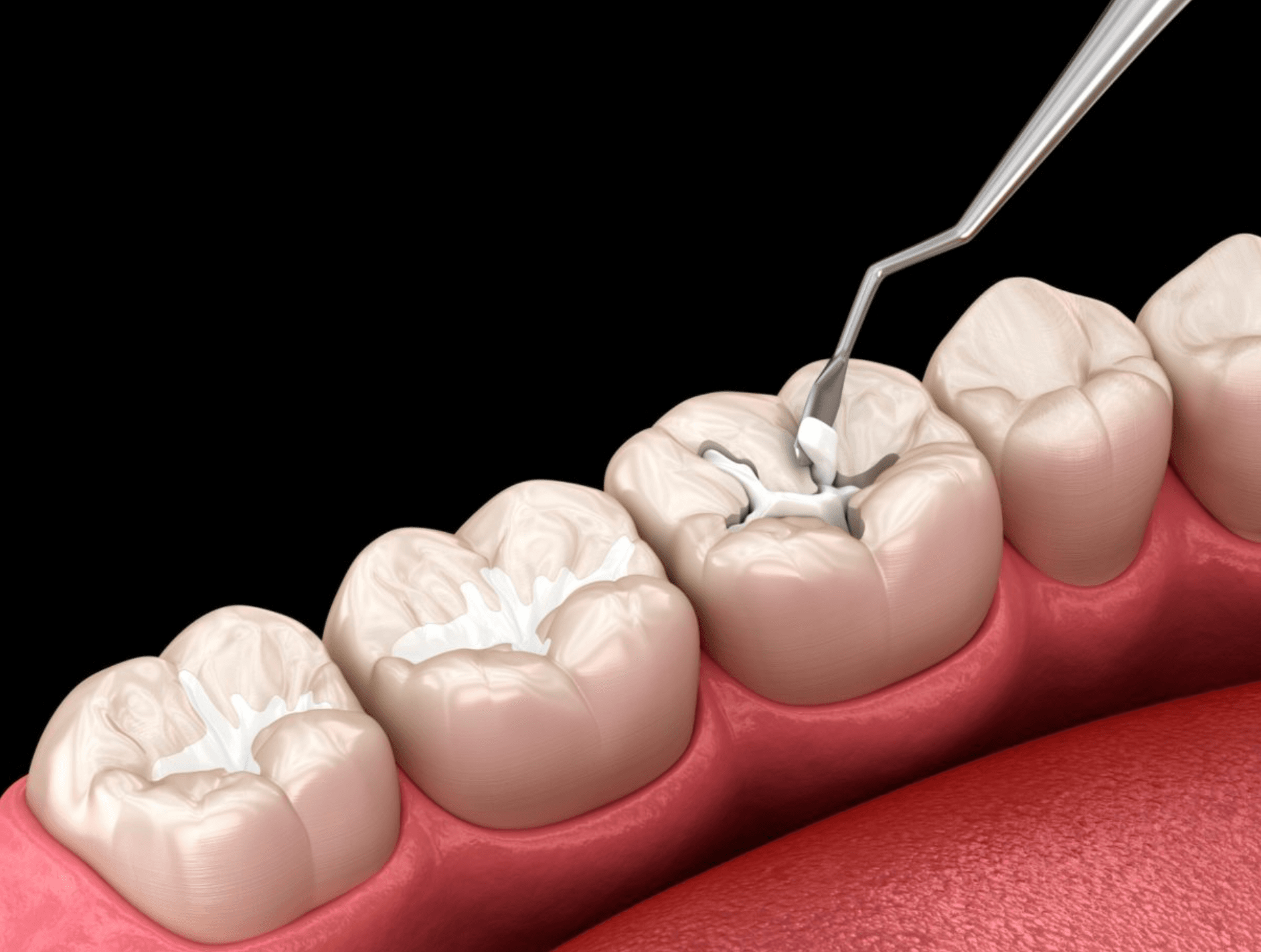
When a tooth suffers from minor decay or chips, direct restorations are the most common and efficient solution. “Direct” simply means the entire procedure takes place directly inside your mouth during a single dental visit. The dentist removes the decayed or damaged portion of the tooth and immediately places, shapes, and hardens the restorative material.
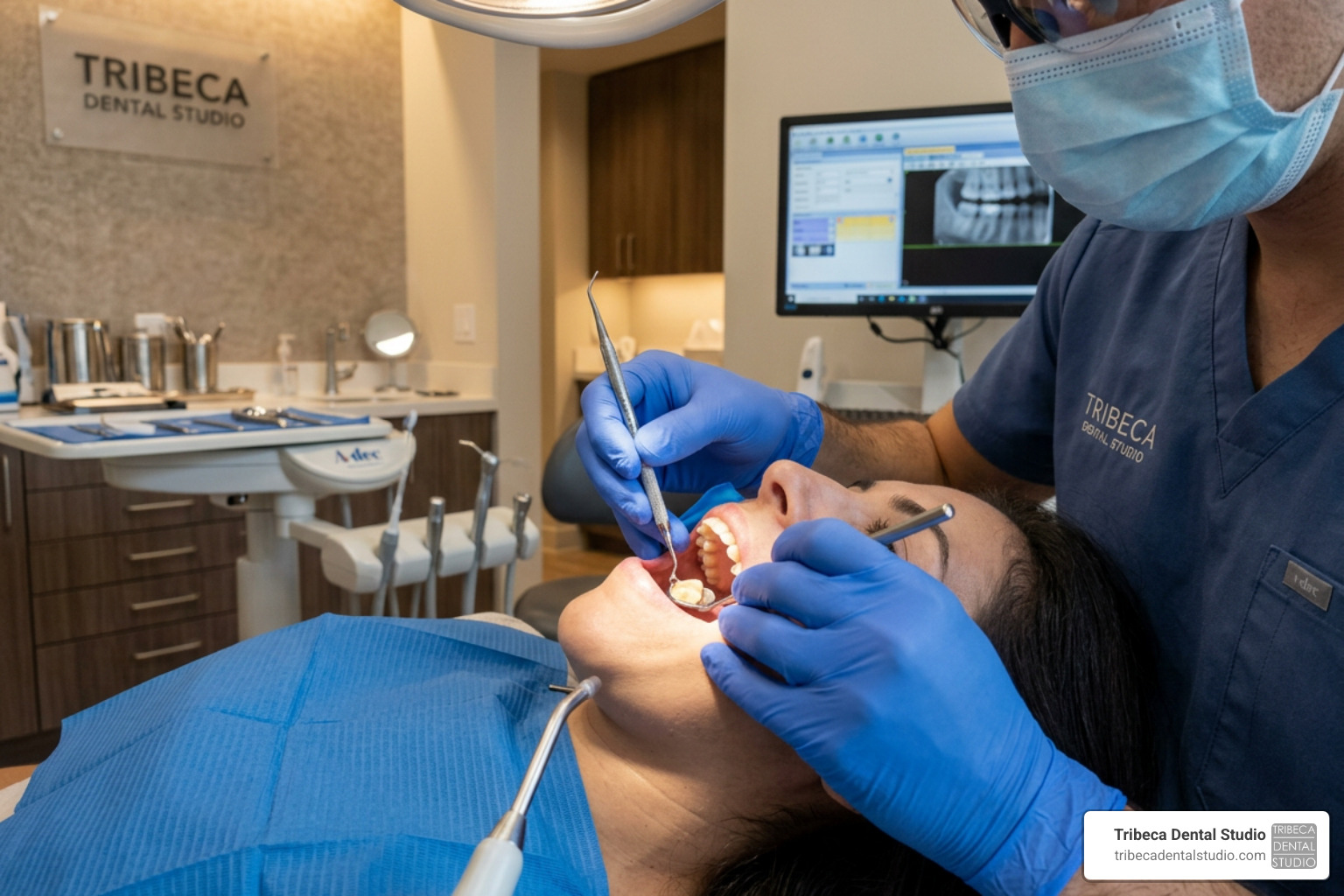
Historically, dental amalgam (silver fillings) was the standard for treating cavities. While highly durable, amalgam fillings have significant drawbacks: they require the removal of healthy tooth structure to stay in place, they expand and contract with temperature changes (which can crack the tooth over time), and they leave highly visible dark spots in your smile.
Today, we prioritize modern, biocompatible materials like composite resin. Composite fillings are made of a mixture of plastic and glass particles that bond chemically to your tooth structure. This means we can preserve far more of your natural tooth. Best of all, composite resin can be custom-shaded to match your surrounding teeth perfectly, making the restoration virtually invisible.
For more details on direct filling materials, check out our guide on Tooth-Colored Fillings.
To ensure you receive the safest and most effective care, our treatment protocols align with the latest evidence-based clinical guidelines. The American Dental Association’s ADA Caries Guidelines emphasize conservative tooth preservation, recommending that dentists remove only the damaged, decayed tissue while keeping as much healthy enamel and dentin as possible.
If you want a step-by-step breakdown of what to expect during a direct filling procedure, you can read the Cleveland Clinic Dental Fillings Guide.
Indirect Restorations: Inlays, Onlays, and Dental Crowns
When tooth damage is too extensive for a standard direct filling but not severe enough to warrant extracting the tooth, indirect restorations are the ideal choice. Unlike direct fillings, indirect restorations are fabricated outside of your mouth — either in a specialized dental laboratory or using advanced in-office CAD/CAM technology — and then bonded to your tooth in a subsequent step.
At Tribeca Dental Studio, we utilize state-of-the-art CEREC technology. This system allows us to take highly accurate digital impressions of your teeth and mill custom, high-strength porcelain restorations right in our office. This means you can often receive your permanent inlay, onlay, or crown in just a single visit, bypassing the need for messy impressions and temporary restorations.
To help you understand where these options fit, here is a quick comparison:
| Feature | Direct Filling | Dental Inlay | Dental Onlay | Dental Crown |
|---|---|---|---|---|
| Fabrication | Direct (in-mouth) | Indirect (lab or CEREC) | Indirect (lab or CEREC) | Indirect (lab or CEREC) |
| Coverage | Fills small cavities | Fits inside tooth grooves | Replaces one or more cusps | Covers the entire tooth |
| Tooth Preservation | High | High | Moderate | Low (requires reshaping) |
| Durability | Moderate (up to 20 years) | Very High (10-15+ years) | Very High (10-15+ years) | Excellent (15-30+ years) |
Choosing between these methods is backed by rigorous clinical data. A comprehensive Direct vs Indirect Restorations Study indicates that while direct fillings are excellent and highly cost-effective for small defects, indirect restorations offer superior structural longevity and resistance to fracture when treating larger areas of decay.
To explore these intermediate options further, read about our specialized Dental Inlays and Onlays or learn how we protect heavily damaged teeth with Dental Crowns & Bridges.
When to Choose Inlays and Onlays as Dental Restoration Options
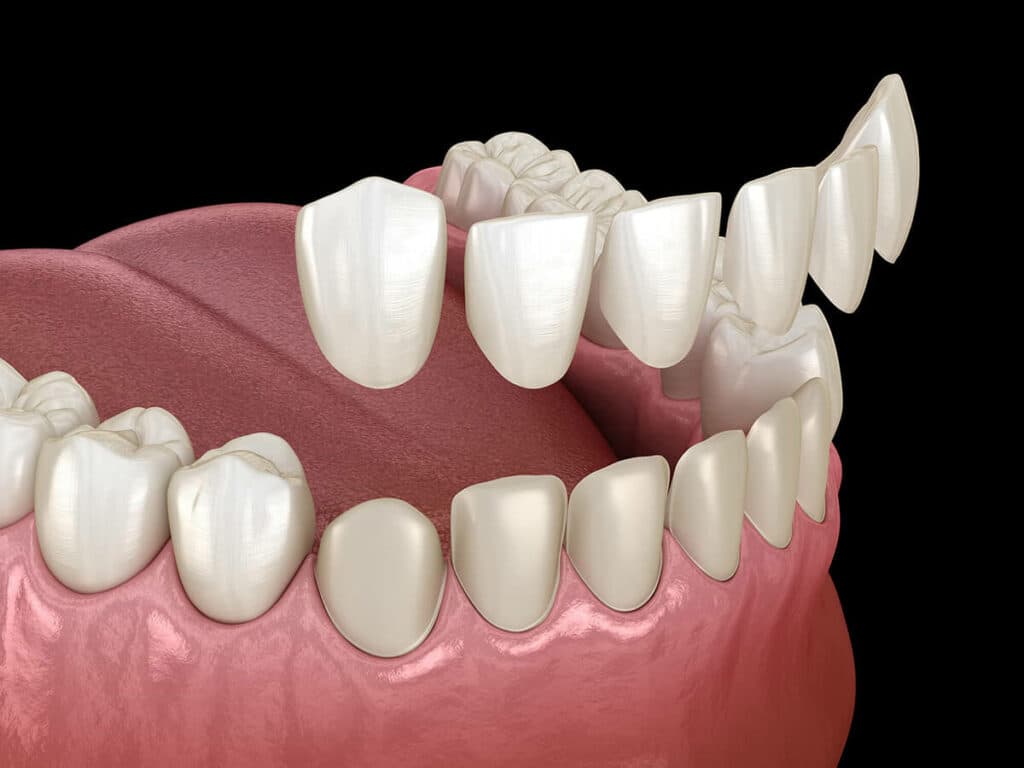
Inlays and onlays are often referred to as partial crowns. They represent a conservative treatment philosophy aimed at preserving as much of your natural tooth structure as possible.
- Inlays are designed to treat decay or damage that is nested within the cusps (the raised points) of your chewing surface.
- Onlays are used when the damage is more extensive, extending over one or more of the tooth’s cusps.
We recommend inlays and onlays when a standard filling would weaken the structural integrity of the tooth, but the tooth still has healthy walls remaining. Because they are custom-milled from durable porcelain, they do not expand or contract with temperature changes like metal fillings. This custom fit provides exceptional durability, increases the tooth’s resistance to future fractures, and seals out bacteria to prevent secondary decay.
When Dental Crowns Are Recommended
A dental crown is a tooth-shaped cap that completely covers a damaged tooth down to the gumline. We recommend crowns when a tooth has suffered severe structural compromise, such as:
- Extensive decay that leaves too little healthy tooth to support a filling, inlay, or onlay.
- A deeply cracked, fractured, or broken tooth.
- A tooth that has undergone root canal therapy and requires reinforcement.
- The cosmetic restoration of a severely misshapen or permanently discolored tooth.
The crown placement process involves carefully reshaping the natural tooth to create a stable anchor. Once the tooth is prepared, we take a digital scan, design the custom crown to match your bite and the shade of your surrounding teeth, and permanently bond it into place. A well-placed porcelain crown restores full chewing function and protects the underlying tooth from further damage for decades.
Replacing Missing Teeth: Bridges, Implants, and Prosthetics
Missing even a single tooth can trigger a domino effect of oral health issues. The surrounding teeth will naturally begin to drift into the empty space, throwing off your bite alignment, causing uneven wear, and potentially leading to jaw joint pain (TMJ issues). Furthermore, when a tooth root is lost, the underlying jawbone loses the stimulation it needs to remain dense, leading to bone resorption over time.
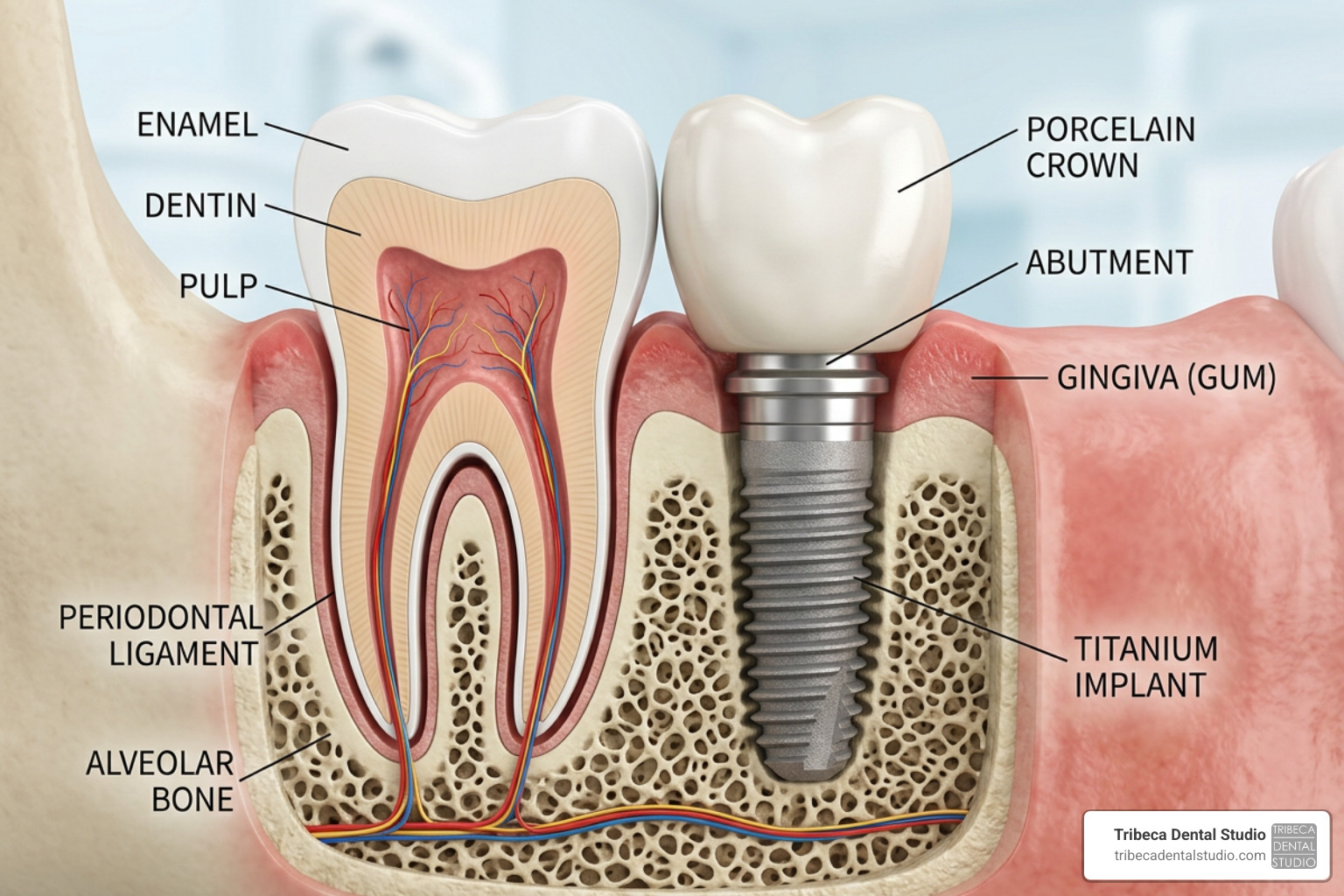
Fortunately, you have highly effective dental restoration options to replace missing teeth and safeguard your long-term oral health. To understand which approach fits your lifestyle, goals, and budget, read our detailed Crowns vs. Bridges vs. Implants Comparison.
If you are ready to learn about the gold standard in permanent tooth replacement, explore our dedicated page on Dental Implants.
Dental Bridges for Gaps
A dental bridge is a classic, reliable solution for filling the gap left by one or more missing teeth in a row. It consists of an artificial tooth (called a pontic) that is held firmly in place by anchoring restorations on the teeth on either side of the gap (called abutment teeth).
There are several types of dental bridges:
- Traditional Bridges: The most common type, where crowns are placed on the natural teeth on both sides of the gap to support the pontic.
- Cantilever Bridges: Used when there is an adjacent tooth on only one side of the missing tooth gap.
- Maryland Bridges: A conservative option that uses a metal or porcelain framework bonded to the backs of the adjacent teeth, avoiding the need to fully crown them.
While bridges are highly functional and can last 5 to 15 years with proper care, they do require us to alter and reshape the adjacent natural teeth to support the crowns.
Why Dental Implants Lead Dental Restoration Options
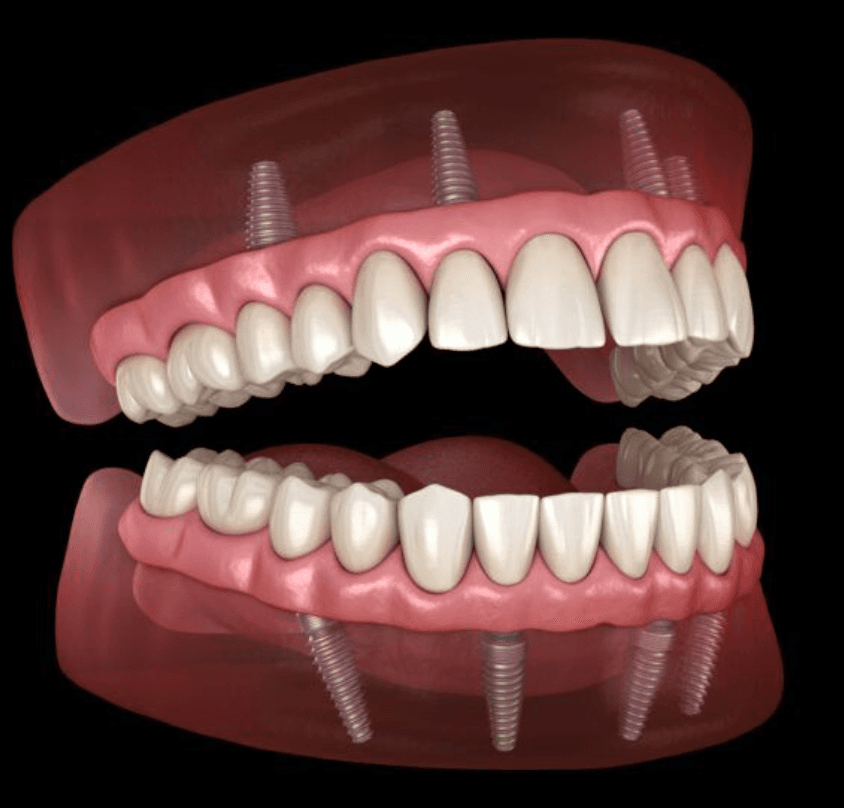
For patients seeking a permanent, stand-alone solution that does not impact neighboring teeth, dental implants are the premier choice among dental restoration options.
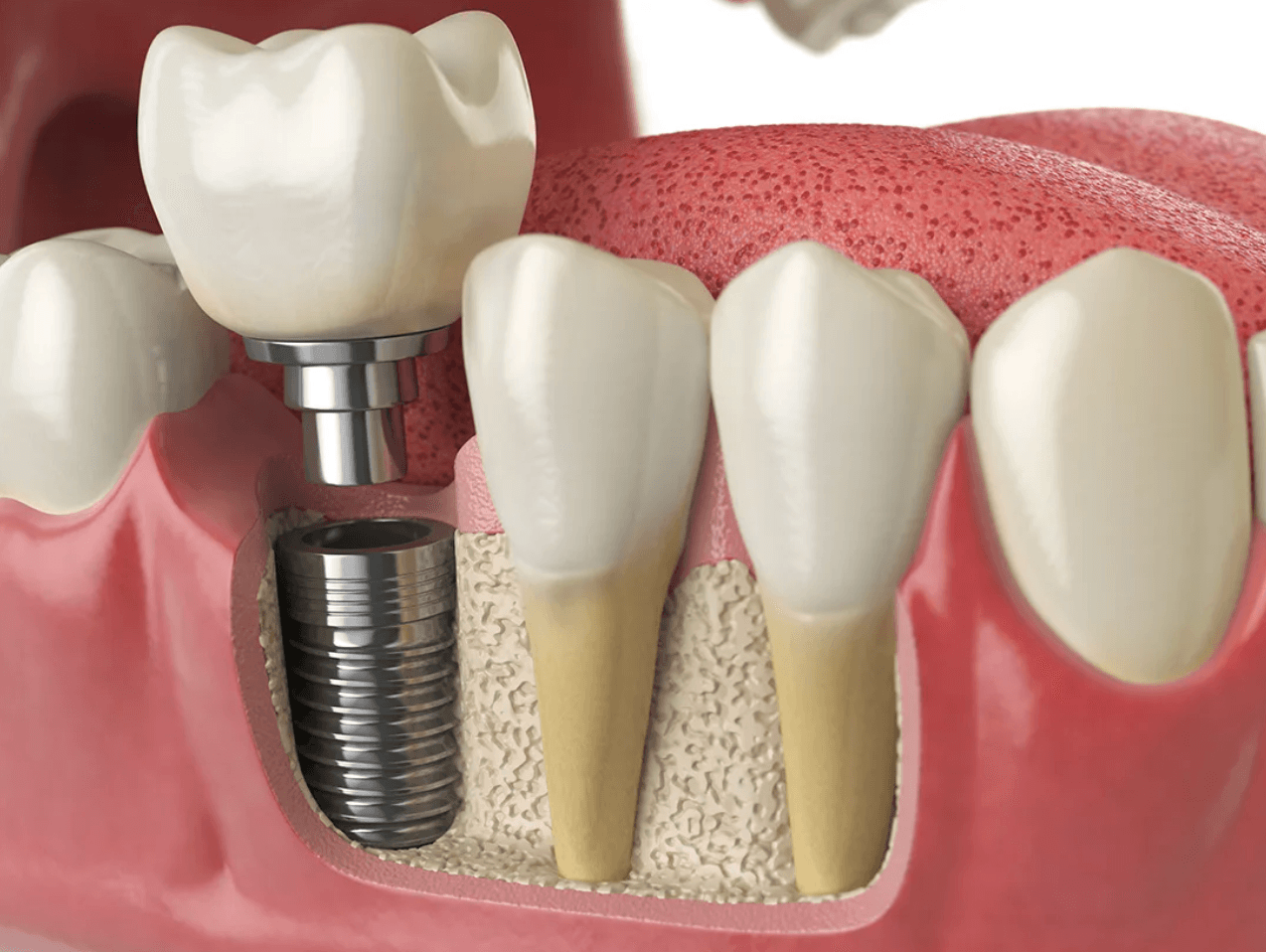
An implant consists of a medical-grade titanium post that is surgically placed directly into the jawbone, acting as a replacement tooth root. Over a period of several months, a natural process called osseointegration occurs, where the bone fuses directly to the titanium post. Once fully stable, an abutment and a custom porcelain crown are attached to the top.
There are two primary types of implants:
- Endosteal Implants: The most common type, placed directly into the jawbone.
- Subperiosteal Implants: Placed under the gum but on top of the jawbone, typically reserved for patients who do not have enough healthy jawbone structure and cannot undergo a bone graft.
Because they mimic natural tooth roots, dental implants prevent jawbone loss, provide unmatched chewing stability, and can easily last for decades or even a lifetime with routine oral hygiene.
How Dentists Select and Perform Your Treatment
Choosing the right dental restoration is not a one-size-fits-all process. At Tribeca Dental Studio, we take a highly personalized, scientific approach to treatment planning. We evaluate your unique oral anatomy, your overall health, and your personal goals to design a customized plan.
Our evaluation process includes:
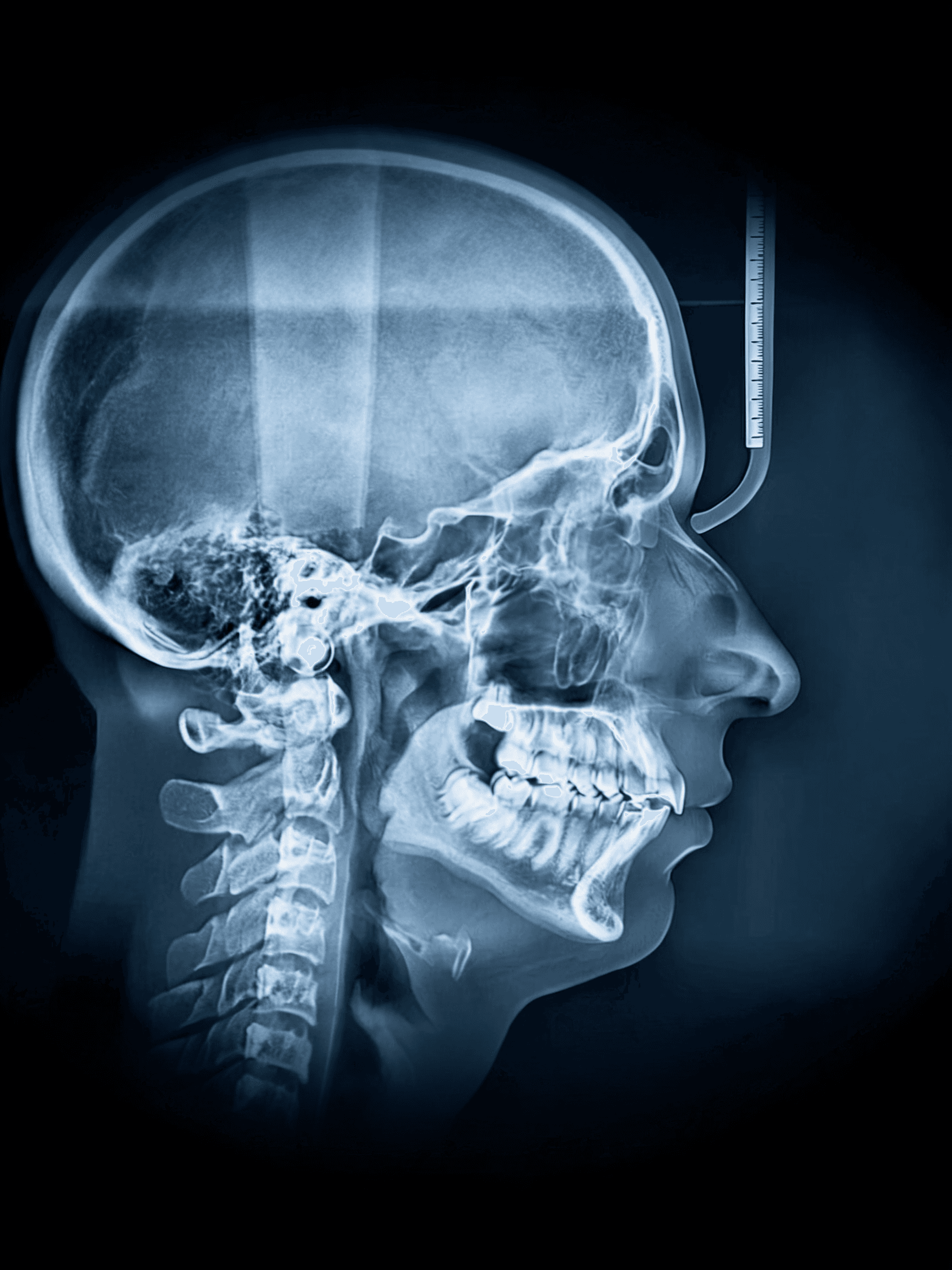
- Comprehensive Digital Diagnostics: We use low-radiation digital X-rays and 3D cone-beam computed tomography (CBCT) scans to assess your tooth roots, bone density, and surrounding structures.
- Caries Risk Assessment: We look at your overall risk of developing decay, which helps us choose materials that will offer the best long-term prognosis.
- Conservative Preservation: We always aim to preserve as much of your natural tooth structure as possible, choosing conservative options like inlays or onlays before recommending full crowns.
This careful planning extends to our youngest patients as well. Pediatric restorative care requires a distinct, specialized approach to ensure primary teeth are preserved for proper speech development and permanent tooth alignment. For a deeper look at clinical pediatric standards, you can consult the American Academy of Pediatric Dentistry’s Pediatric Restorative Dentistry Guidelines.
Root Canal Therapy and Structural Support
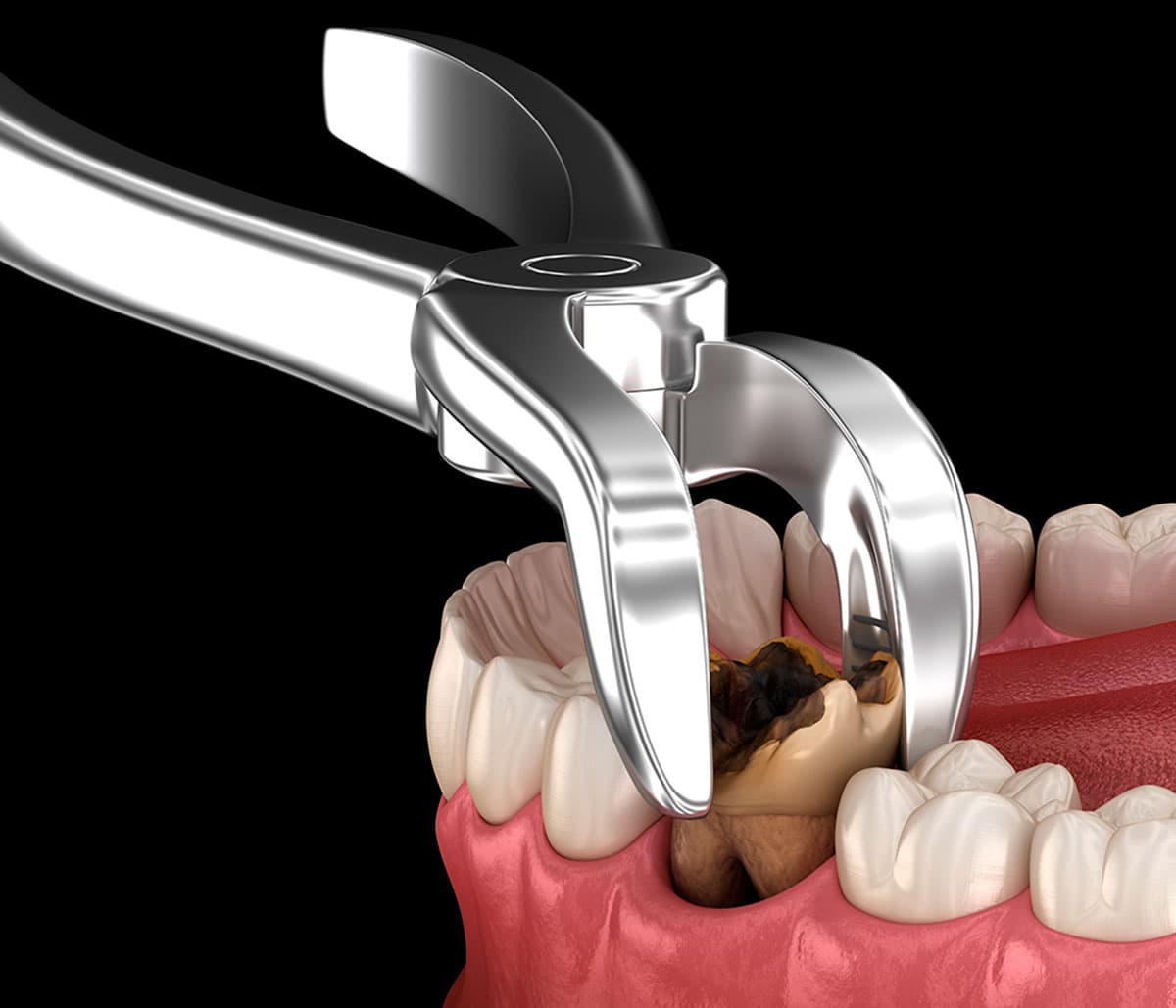
When dental decay or a physical crack penetrates deep into the inner chamber of the tooth, the dental pulp — which contains the tooth’s nerves and blood vessels — can become infected. This often causes severe pain and, if left untreated, can lead to a painful abscess or require the tooth to be extracted.
Root canal therapy is a restorative procedure designed to save your natural tooth. During the treatment, we gently remove the infected pulp, clean and disinfect the root canals, and fill the empty space with a biocompatible material called gutta-percha.
Because a tooth without its pulp is no longer receiving nutrients, it can become brittle over time. To ensure its long-term survival, we almost always reinforce a root-canal-treated tooth with a custom dental crown. This crown restores the tooth’s structural support, allowing you to chew without fear of fracture.
Longevity, Costs, and Pediatric Considerations
When investing in your smile, understanding the longevity and cost factors of your options is essential.
The lifespan of your restoration depends heavily on the materials used and how well you care for your teeth:
- Implants: Can last a lifetime with proper care.
- Crowns: Typically last 15 to 30+ years.
- Onlays/Inlays: Last 10 to 15+ years.
- Bridges: Usually last 5 to 15 years.
- Composite Fillings: Can last up to 20 years.
Costs are influenced by the complexity of the procedure, the high-quality materials selected (such as zirconia or premium porcelain), and your dental insurance coverage. While direct composite fillings are highly affordable, advanced treatments like implants have a higher upfront cost but offer unmatched long-term value by eliminating the need for future replacements.
For children, pediatric restorative dentistry focuses on maintaining a healthy mouth while permanent teeth develop. In some cases of early-stage, non-progressing decay in children, we may recommend active surveillance — watching the tooth and utilizing preventive treatments like fluoride varnishes rather than performing immediate invasive restorations.
Frequently Asked Questions About Dental Restorations
How long do different dental restorations typically last?
The lifespan of a restoration depends on the material, the location of the tooth, and your oral hygiene. On average, dental implants can last for decades or a lifetime. Porcelain crowns typically last 15 to 30+ years, while inlays and onlays last 10 to 15+ years. Dental bridges generally last between 5 and 15 years, and composite fillings can last up to 20 years with excellent home care and regular professional cleanings.
What are the potential complications of dental restoration procedures?
While modern dental restorations are highly successful, minor complications can occasionally occur. Some patients experience temporary tooth sensitivity to hot and cold temperatures for a few days following a procedure. Other potential risks include localized decay around the edges of an old restoration (secondary decay), minor material wear or chipping over time, or very rare allergic reactions to specific dental materials. Regular checkups allow us to spot and resolve these minor issues early.
How do dentists decide which restoration is best for my teeth?
We base our recommendations on a thorough clinical evaluation. Key factors include the extent of the decay or damage, the amount of remaining healthy tooth structure, the location of the tooth in your mouth, your bite alignment, and your personal goals and budget. We prioritize conservative options that preserve your natural teeth while ensuring maximum longevity and function.
Conclusion
Your smile is a key part of your health, confidence, and daily life. Whether you need a simple, tooth-colored filling, a conservative porcelain onlay, or a permanent dental implant, understanding your dental restoration options empowers you to make informed decisions for your future.
At Tribeca Dental Studio in Manhattan, Dr. Nina Izhaky and our dedicated team are committed to providing personalized, advanced, and compassionate dental care. We treat our patients like family, utilizing state-of-the-art digital technology, mercury-free materials, and a gentle touch to rebuild your smile in a warm, welcoming environment.
Ready to restore your oral health and smile with confidence? Schedule your consultation for dental fillings in NYC at Tribeca Dental Studio today.