The Great Debate: Cavity Filling vs. Crown – What's Your Tooth's Best Bet?
July 30, 2026
When Does a Tooth Need a Filling — and When Does It Need a Crown?
The debate over cavity filling vs crown is one of the most common questions patients face after a dental exam. Here’s the short answer:
| Factor | Filling | Crown |
|---|---|---|
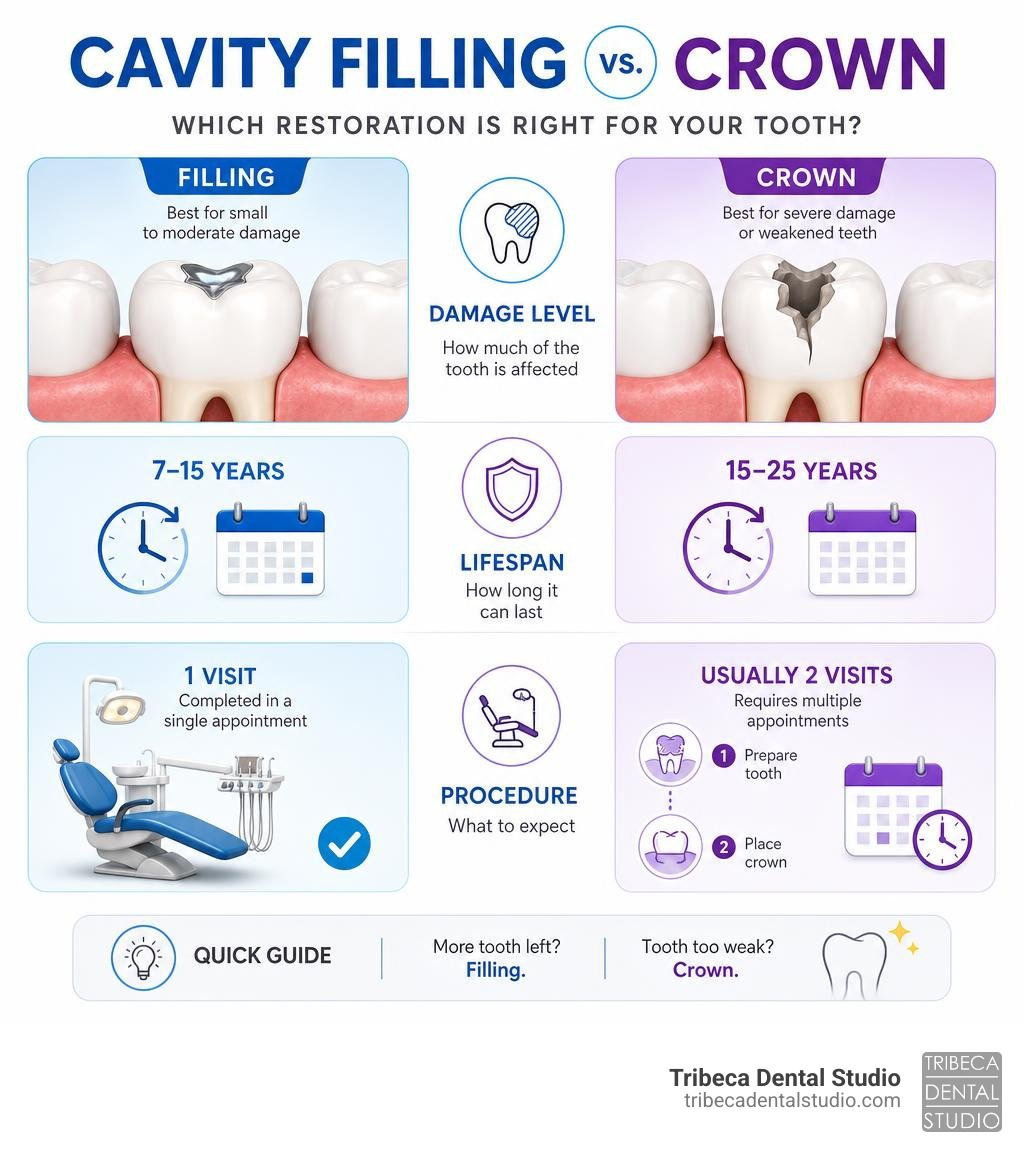
| Damage to tooth | Less than ~1/3 of biting surface | More than 50% of tooth structure affected |
| Tooth strength | Mostly intact | Weakened, cracked, or hollowed |
| After root canal? | Front teeth (sometimes) | Back teeth — almost always |
| Procedure visits | 1 visit | Usually 2 visits |
| Longevity | 7–15 years | 15–25 years |
| Cost | Lower upfront cost | Higher upfront, better long-term value |
The simple rule: if enough healthy tooth structure remains, a filling does the job. Once the tooth is too weakened to hold a filling safely, a crown becomes necessary to prevent fracture or tooth loss.
Cavities are more common than most people realize — one in four adults has at least one right now. And yet, the difference between needing a quick, single-visit filling versus a multi-step crown often comes down to how long you’ve waited and how much tooth is still standing.
I’m Dr. Nina Izhaky, founder of Tribeca Dental Studio and a graduate of New York University College of Dentistry, and my practice is built on helping patients navigate exactly these kinds of cavity filling vs crown decisions with honest, personalized guidance. Whether your tooth needs a conservative restoration or full-coverage protection, our team is committed to preserving as much of your natural tooth structure as possible.
Cavity filling vs crown terms to remember:
Understanding the Basics: Cavity Filling vs Crown
To make the best decision for your oral health, it helps to understand how we approach restorative dental care. Both fillings and crowns are designed to restore function, stop decay, and protect your smile, but they do so in completely different ways.
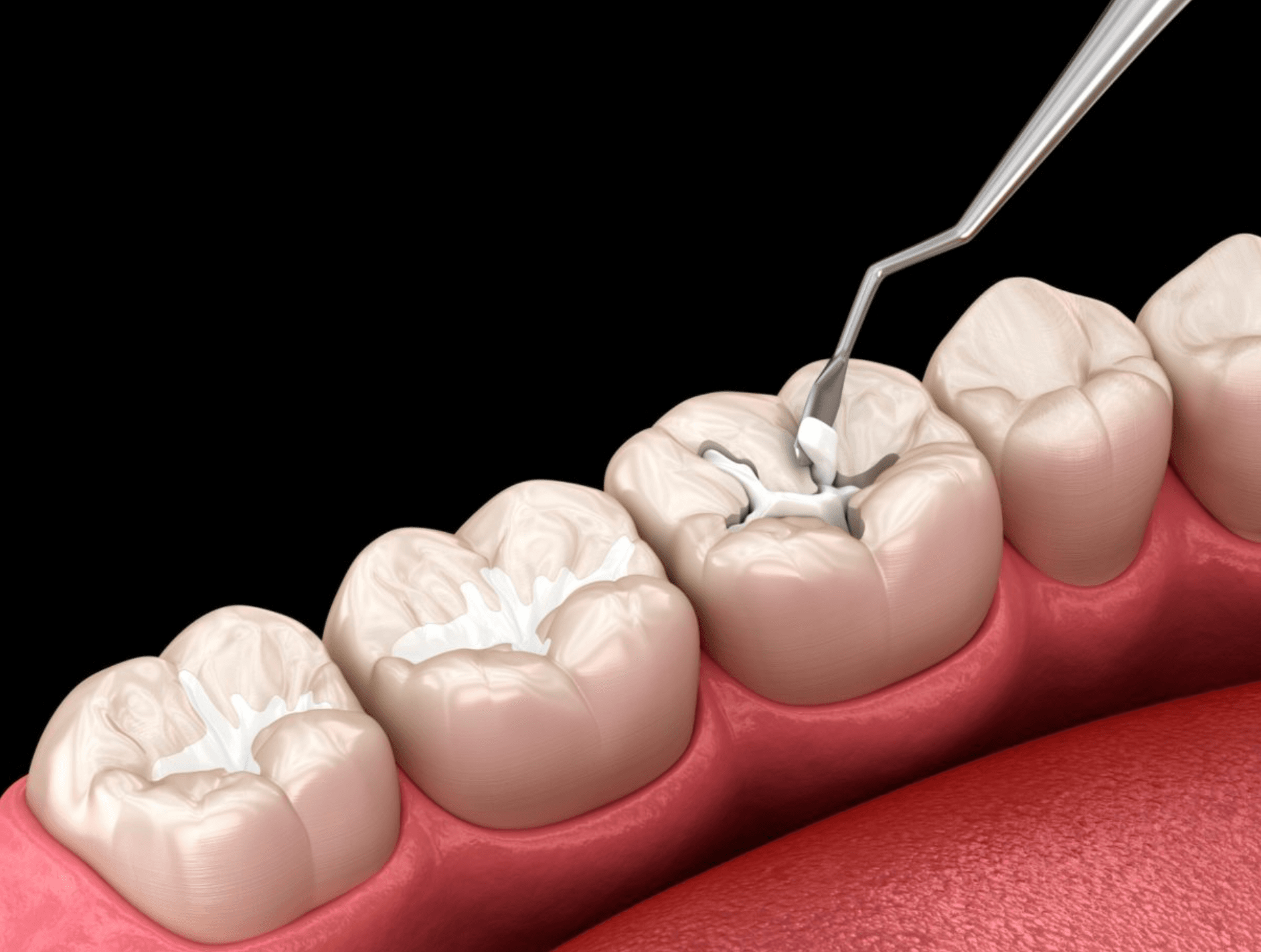
A dental filling is a “direct” restoration. This means we clean out the decayed portion of your tooth and place the restorative material directly into the remaining space during a single visit. It is a highly conservative option because it requires us to remove only the damaged tissue, leaving the healthy parts of your tooth completely untouched.
A dental crown, on the other hand, is an “indirect” restoration. Instead of filling a hole inside the tooth, a crown acts like a custom-engineered helmet that fits over the entire visible portion of the tooth above the gumline. This is necessary when a tooth has lost its structural integrity and can no longer support itself under normal chewing forces.
At Tribeca Dental Studio, we believe in the power of preserving your natural teeth. We carefully analyze the remaining enamel and overall structure of your tooth to determine which method will offer the most predictable, long-lasting outcome. For a deeper look into how we restore damaged teeth, explore More info about restorative dentistry.
What is a Dental Filling and How Does It Work?
When you have a small to moderate cavity, a dental filling is almost always the first line of defense. The modern standard of care relies on composite resin fillings, which are made of a mixture of plastic and ceramic compounds. These tooth-colored materials are highly aesthetic and bond chemically directly to your natural enamel, helping to reinforce what remains of your tooth.
The filling process is straightforward and typically completed in a single visit:
- Numbing: We administer a local anesthetic to ensure you do not feel any discomfort.
- Decay Removal: We gently remove the decayed, bacteria-infected portion of the tooth. To ensure we preserve as much healthy dentin as possible, we utilize advanced diagnostic tools, including chemical caries indicators that stain only the infected tissue.
- Etching and Bonding: We prepare the tooth’s surface so the composite resin can form a tight, reliable seal.
- Curing: We apply the composite material in layers, using a specialized curing light to harden each layer in seconds.
- Shaping and Polishing: We shape the filling to match your natural bite and polish it so it feels completely seamless to your tongue.
Because composite resin bonds so beautifully to your teeth, it requires significantly less drilling than old-fashioned metal amalgams. To learn more about what to expect during this quick, conservative procedure, check out More info about the cavity filling process.

What is a Dental Crown and When is It Needed?
There are times when a tooth has suffered too much damage for a simple filling to suffice. If a cavity is too deep, or if the tooth has cracked, a filling can actually act like a wedge, transferring chewing pressure directly into the remaining thin walls of the tooth and causing them to split. This is where a dental crown becomes necessary.
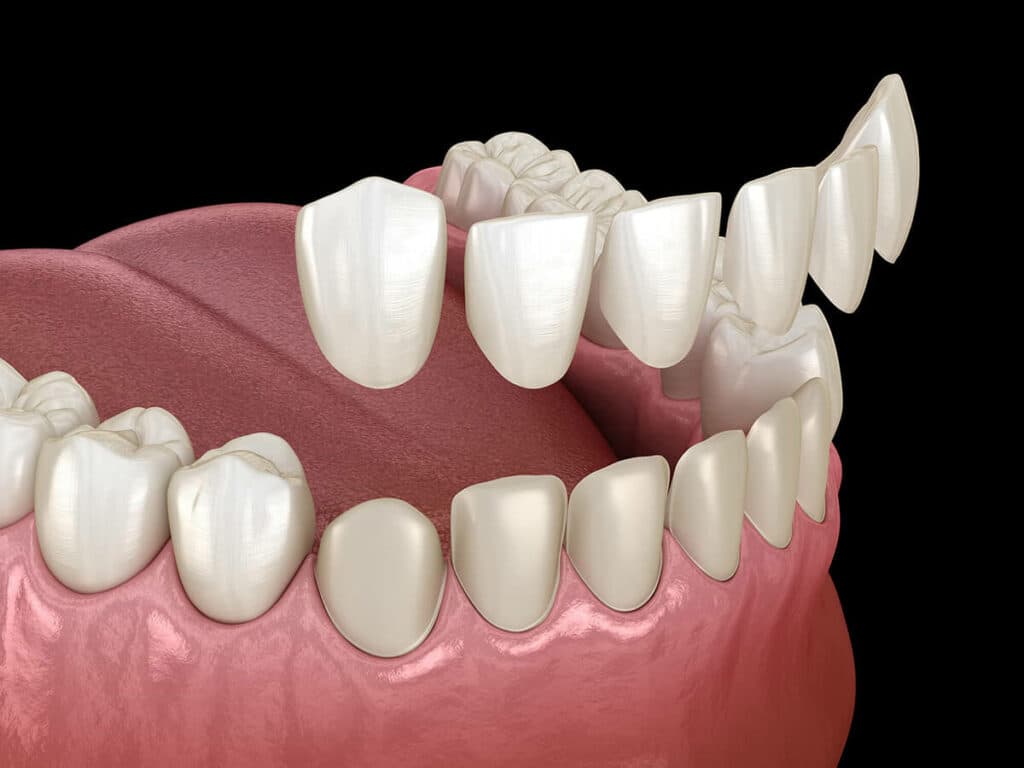
A dental crown is a custom-made cap that completely covers and reinforces a weakened tooth, distributing bite forces evenly to prevent fractures. At Tribeca Dental Studio, we are known for our conservative smile-design expertise. We always prioritize saving as much of your natural tooth structure as possible. In fact, our practice is highly regarded for excelling in no-prep veneers in NYC, which offer a ultra-conservative cosmetic alternative for front teeth when structural damage is minimal.
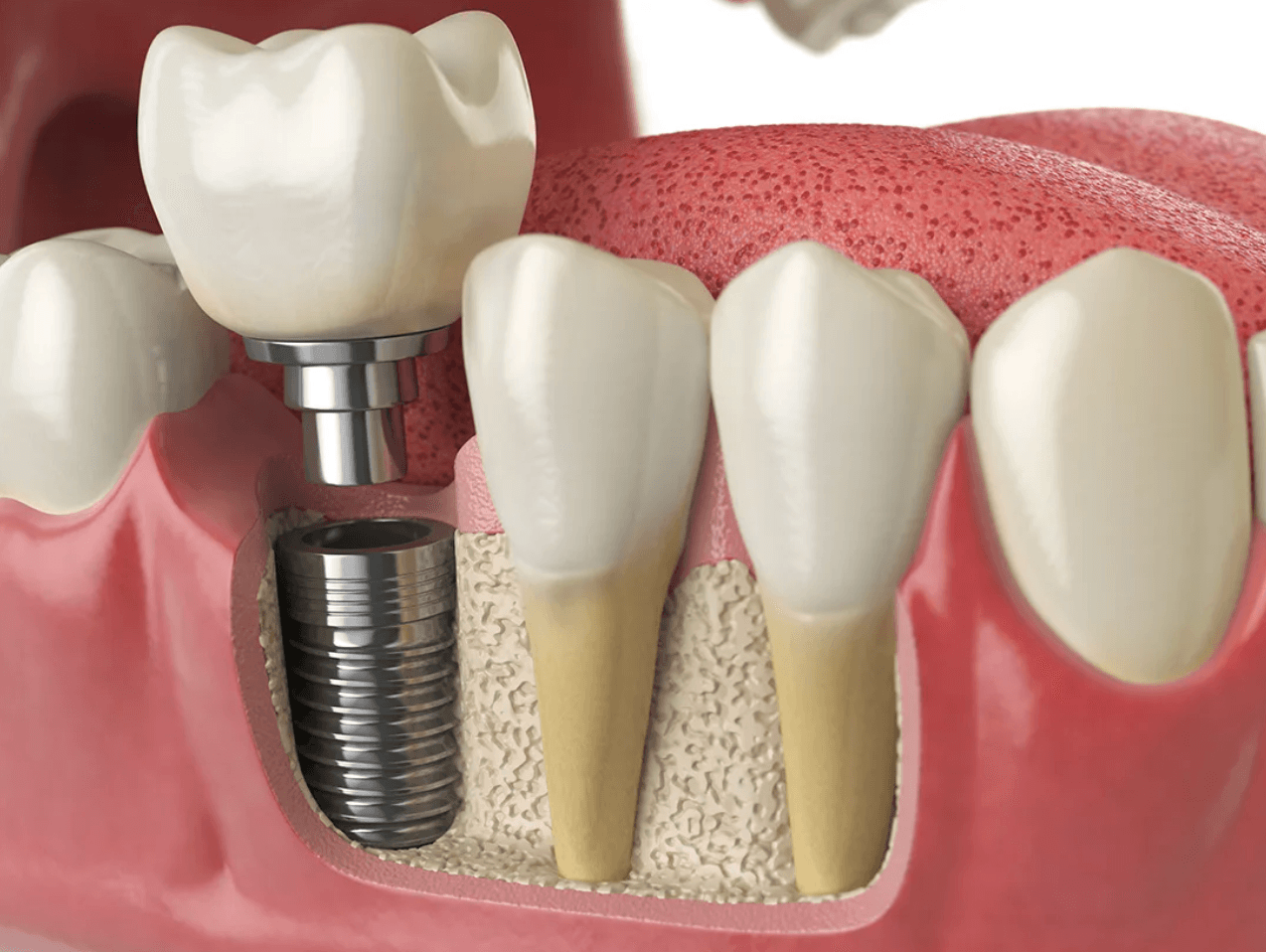
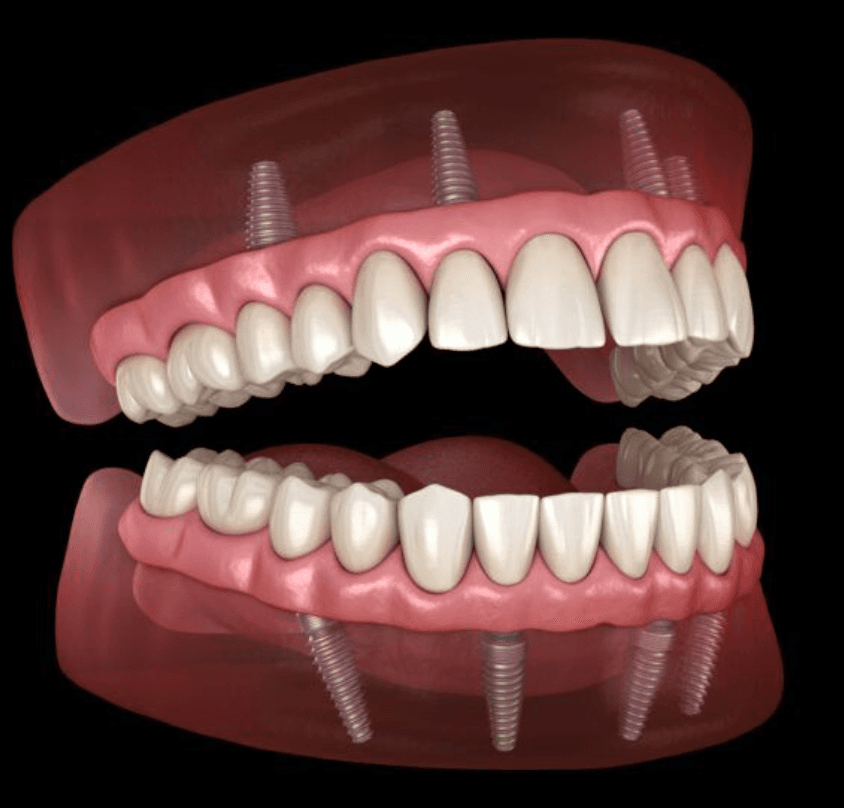
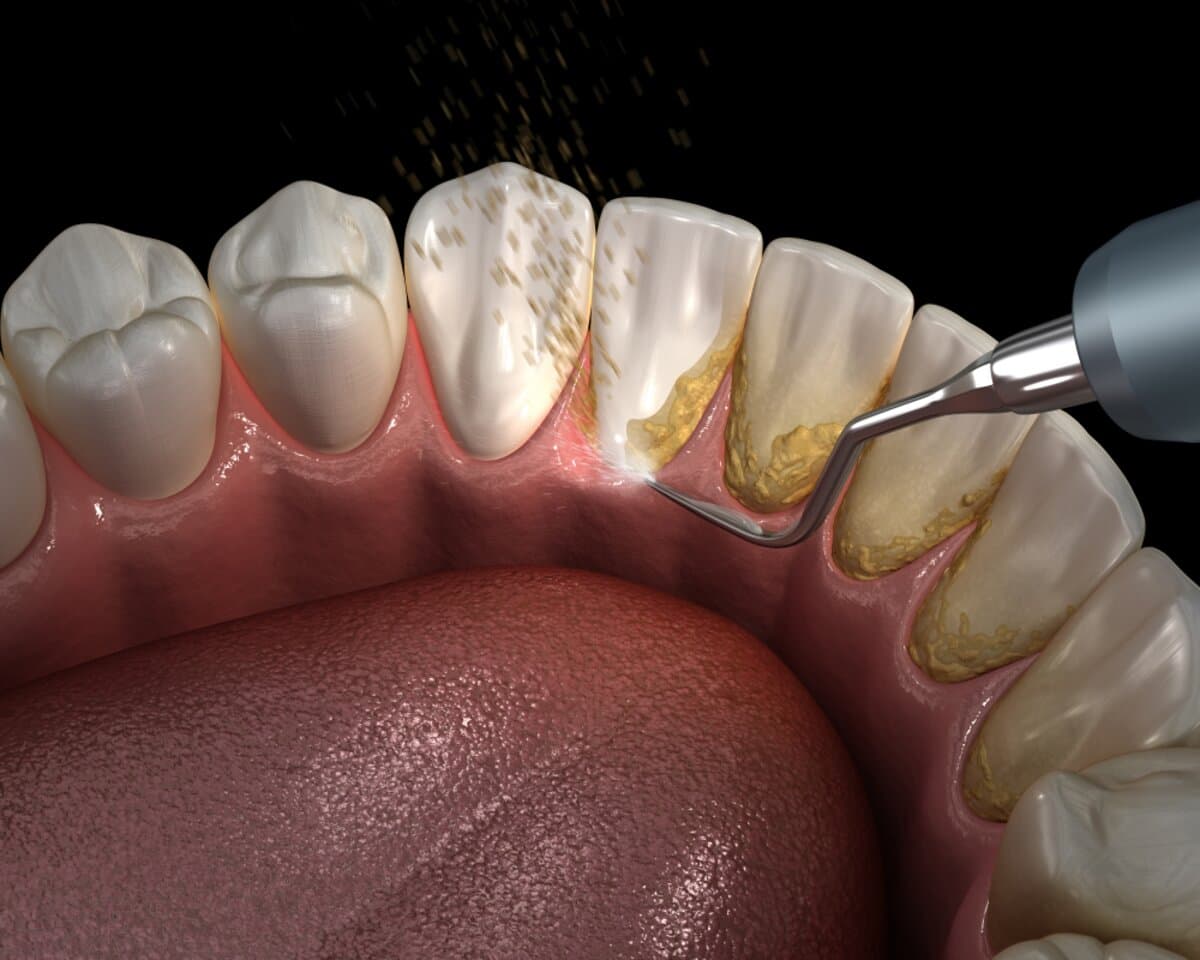
However, when full-coverage protection is required for a molar or premolar, we craft beautiful, highly durable porcelain, zirconia, or E-max crowns that blend seamlessly with your natural smile. Led by Dr. Nina Izhaky, our multi-specialty team in Lower Manhattan provides comprehensive care under one roof. Whether you need a simple crown, advanced implant dentistry with our trusted specialist Dr. Sam Morhaim, full-mouth reconstructions, or periodontal care and deep cleanings to protect the foundations of your restorations, we are committed to providing predictable, beautiful outcomes.
To understand how crowns differ from cosmetic options like veneers, you can read More info about crowns vs veneers.
How Dentists Decide: The 50% Rule and Structural Integrity
How do we draw the line between a cavity filling vs crown? It is not a guessing game; it is a clinical assessment based on structural engineering.
We look at your tooth much like an architect looks at a building. The most important factor is the amount of healthy, natural tooth structure remaining after all the decay has been removed. To guide this decision, we rely on a fundamental principle known as the 50% Rule.
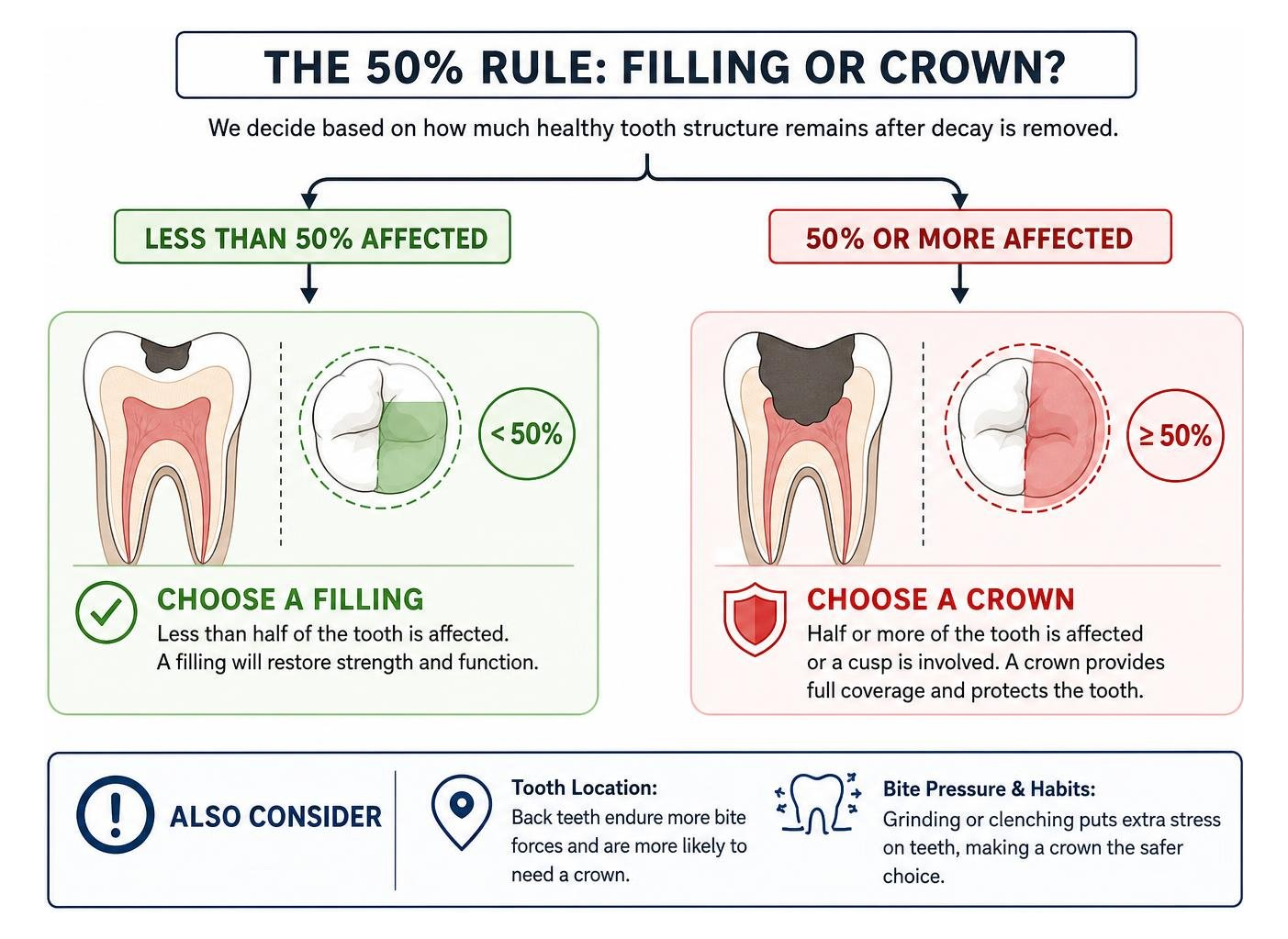
If a cavity affects less than one-third of the tooth’s biting surface, a standard composite filling is highly predictable and sufficient. However, if the damage exceeds 50% of the tooth’s overall width or involves the chewing “cusps” (the pointed parts of your back teeth), a filling is no longer safe. Under the immense pressure of daily chewing, a massive filling will cause the remaining thin walls of the tooth to flex, crack, and eventually break.
Other key factors we evaluate during your exam include:
- Tooth Location: Back molars bear the brunt of your bite forces, often enduring hundreds of pounds of pressure. Because of this, they are much more likely to require crowns than front teeth with similar levels of decay.
- Bite Pressure and Habits: If you have a habit of grinding or clenching your teeth (bruxism), we are much more likely to recommend a protective crown to keep your tooth from splitting.
- Presence of Micro-Cracks: Standard X-rays are excellent for finding decay, but they do not always show micro-cracks. We use high-magnification visual exams to look for signs of structural cracking that require full-coverage support.
To read more about the clinical guidelines that dentists use to make this determination, you can review this Scientific research on crown vs filling decisions.
Clinical Scenarios for a Cavity Filling vs Crown
To help you visualize how these decisions play out in our Manhattan office, let us look at a few common real-world clinical scenarios:
- Scenario A: The Early-Stage Cavity: A routine dental exam reveals a small shadow between two of your molars. The decay is entirely contained within the enamel and has not compromised the structural integrity of the tooth.
- The Verdict: A conservative, single-visit composite filling is the perfect, highly aesthetic solution.
- Scenario B: The Cracked Molar: You experience a sharp, brief “zing” of pain whenever you bite down on hard foods or release your bite. Our examination reveals a micro-crack spreading across the biting surface of the tooth.
- The Verdict: A filling will not solve this. In fact, filling a cracked tooth can make the crack spread. A custom zirconia crown is required to hold the tooth together like a protective band, preventing a catastrophic split.
- Scenario C: After a Root Canal: A deep infection has reached the pulp of a back molar, requiring root canal therapy to save the tooth. Because the root canal process hollows out the center of the tooth and removes its internal blood supply, the remaining structure becomes brittle and highly prone to fracturing.
- The Verdict: A crown is almost always required to protect a root-canal-treated back tooth.
If you want to read more about how we manage deep, complex decay, explore More info about deep cavity treatments.
The Middle Ground: Inlays and Onlays
What happens if your tooth damage falls into the “grey zone” — too large for a standard filling, but not quite severe enough to require shaving the entire tooth down for a full crown?
In these cases, we often recommend a highly conservative alternative known as an inlay or onlay (sometimes called partial crowns).
- Inlays fit snugly inside the grooves of your tooth, replacing damaged structure within the cusps.
- Onlays are slightly larger, covering one or more of the tooth’s chewing cusps.
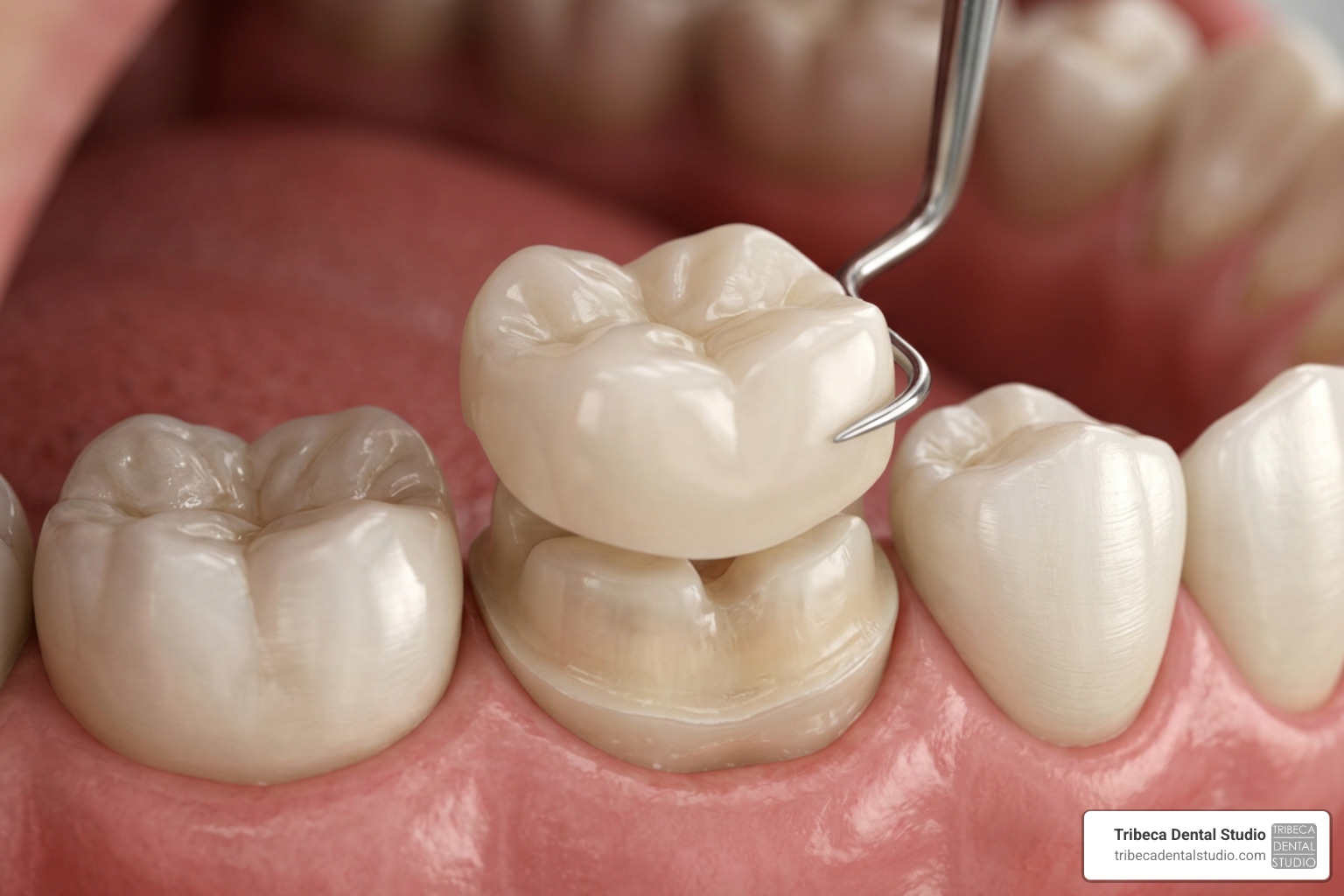
Like crowns, inlays and onlays are custom-crafted in a specialized laboratory from highly durable porcelain or ceramic materials. They offer a fantastic middle ground because they preserve 25% to 40% more of your natural tooth structure than a full crown while providing significantly more strength and durability than a standard direct filling.
To see how these partial crowns compare to other restorative and replacement options, read More info about crowns vs bridges vs implants. For more detailed clinical comparisons, you can also browse this discussion on the differences between fillings, crowns, and partial restorations.
Comparing the Two: Pros, Cons, Lifespan, and Costs
When deciding on your treatment plan, it is helpful to look at the direct trade-offs between these two dependable restorations:
| Feature | Composite Filling | Custom Dental Crown |
|---|---|---|
| Pros | • Conservative (saves maximum enamel) • Completed in one visit • Lower initial cost |
• Protects highly damaged teeth • Prevents future fractures • Exceptional, long-term durability |
| Cons | • Not suitable for large cavities • Lower resistance to heavy bite forces • Shorter lifespan than crowns |
• Requires removing some healthy structure • Requires two appointments • Higher initial cost |
| Aesthetics | Matches natural tooth color beautifully | Perfect color matching, translucency, and shape |
| Lifespan | 7 to 15 years | 15 to 25+ years |
Lifespan and Durability of Restorations
One of the most significant differences in the cavity filling vs crown comparison is how long the restoration is expected to last.
A high-quality composite filling typically lasts between 7 and 15 years. Over time, the constant stress of chewing, temperature changes from hot and cold foods, and micro-movements can cause the edges of a filling to pull away slightly from the tooth, creating tiny gaps where bacteria can seep in.
In contrast, a custom-fabricated crown is built for maximum longevity. High-quality zirconia or E-max crowns routinely last 15 to 25 years or more with proper care. Because a crown completely covers the tooth, it protects the underlying structure from direct wear and tear.
Of course, the lifespan of both restorations depends heavily on your daily oral hygiene, routine dental cleanings, and avoiding habits like chewing on ice or hard candies. For more insights into how to protect your restorative investments, read this Scientific research on restoration longevity and check out additional clinical data on restoration lifespans by material.
Financial Considerations: Cavity Filling vs Crown Costs
When looking at the financial aspect of your care, it is important to consider both immediate out-of-pocket expenses and long-term value.
In the short term, a dental filling is always the more affordable option. It requires fewer materials, less laboratory work, and only a single appointment. However, if you place a large filling in a tooth that truly needs a crown, you run a high risk of the tooth fracturing. If the tooth splits down to the root, it can no longer be saved with a crown — meaning you may end up needing an extraction and a dental implant, which is far more expensive in the long run.
From an insurance perspective, most plans categorize fillings as “basic services” and often cover a high percentage of the cost. Crowns are typically categorized as “major services” and may be covered at a lower percentage, often with a structural necessity requirement.
At Tribeca Dental Studio, we believe in complete financial transparency. We work closely with you to maximize your benefits and understand your options before any treatment begins. To learn more about general filling costs, you can read More info about cavity filling costs and explore our guide on Dental Crown Cost Average Prices and Insurance Tips.
Frequently Asked Questions About Restorative Care
Is a crown always needed after a root canal?
While front teeth can sometimes be restored with just a filling after a root canal, back teeth (molars and premolars) almost always require a crown. Root-canal-treated molars without crown coverage are six times more likely to fracture than those protected by a crown. This is because the tooth becomes brittle once its blood supply is removed, and the heavy chewing forces in the back of the mouth will easily split the unprotected tooth. You can read more about this in this Scientific research on root canal restorations.
Can a large filling be replaced with a crown later?
Yes, this is a highly common procedure. Over time, large fillings can develop recurrent decay around their margins, or the surrounding natural tooth walls can weaken and develop micro-cracks. When this happens, we gently remove the old filling, clean out any new decay, and place a custom crown over the tooth to fully restore its strength and prevent it from breaking.
What happens if I delay treatment for a cavity?
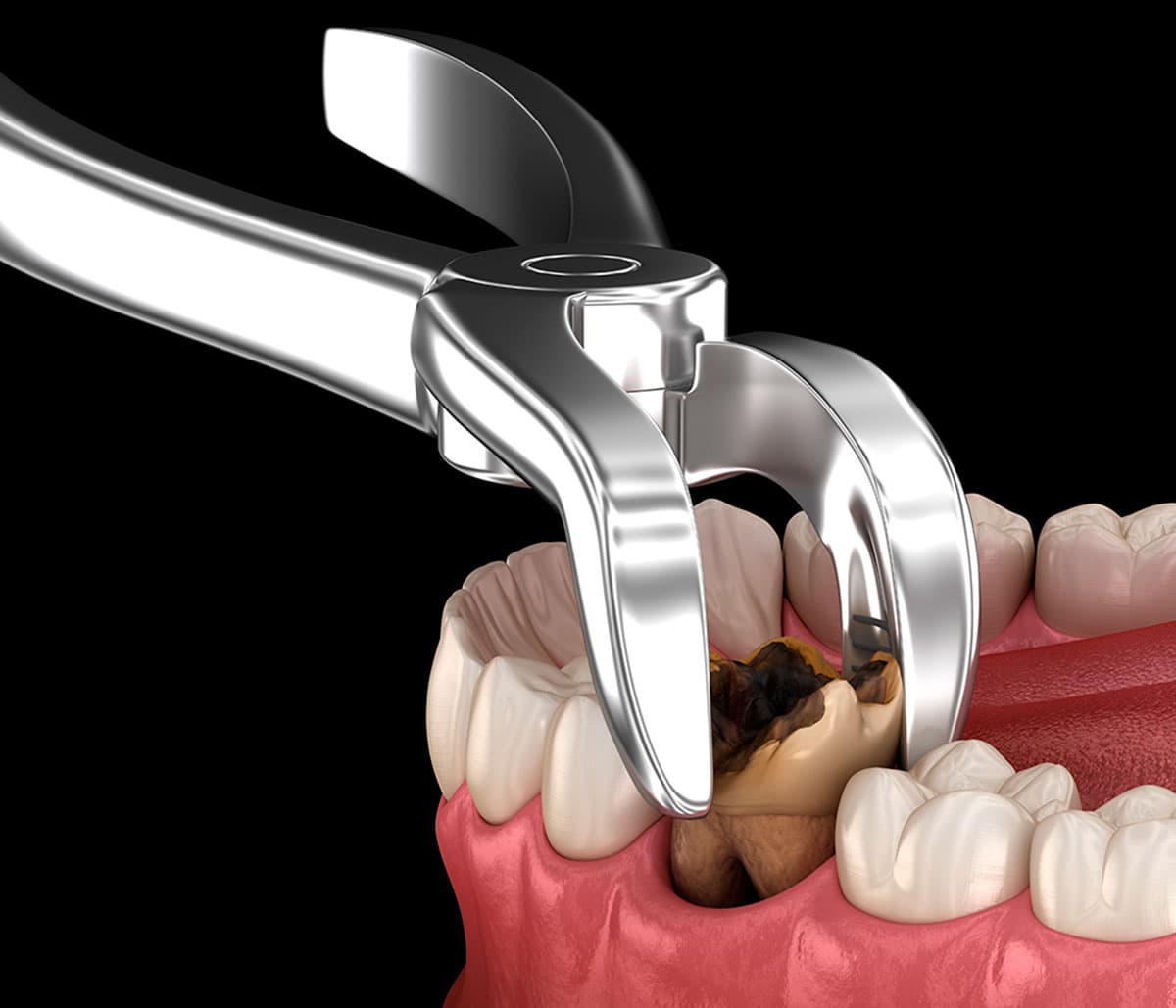
Delaying treatment is the most common reason a simple, inexpensive filling turns into a complex, costly crown or root canal. Decay does not stop on its own; it slowly eats through your enamel into the softer dentin beneath. If left untreated, the bacteria will eventually reach the inner pulp of the tooth, causing severe pain, infection, and abscesses that require a root canal or extraction to resolve.
Conclusion: Choosing the Right Path for Your Smile
At the end of the day, there is no one-size-fits-all answer to the cavity filling vs crown debate. The best choice for your tooth depends entirely on the extent of the damage, the location of the tooth, and your unique oral health goals.
At Tribeca Dental Studio, we are dedicated to providing the highest standard of personalized, conservative dental care in NYC. We treat our patients like family, taking the time to explain your options clearly using digital X-rays and intraoral photographs so you can make informed, confident decisions about your smile.
Whether you need a quick, natural-looking composite filling or a beautifully crafted, durable crown to protect a weakened tooth, our highly experienced team is here to help.
Ready to restore your smile with conservative, best-in-class dental care in Manhattan? Schedule a consultation for natural, durable restorations with Tribeca Dental Studio today.