Dry Socket: When to Expect the Pain and How Soon You'll Know
December 18, 2025

Understanding When Dry Socket Pain Actually Begins
Does a dry socket hurt right away after your tooth extraction? The short answer is no. Here’s what you need to know:
When Dry Socket Pain Typically Starts:
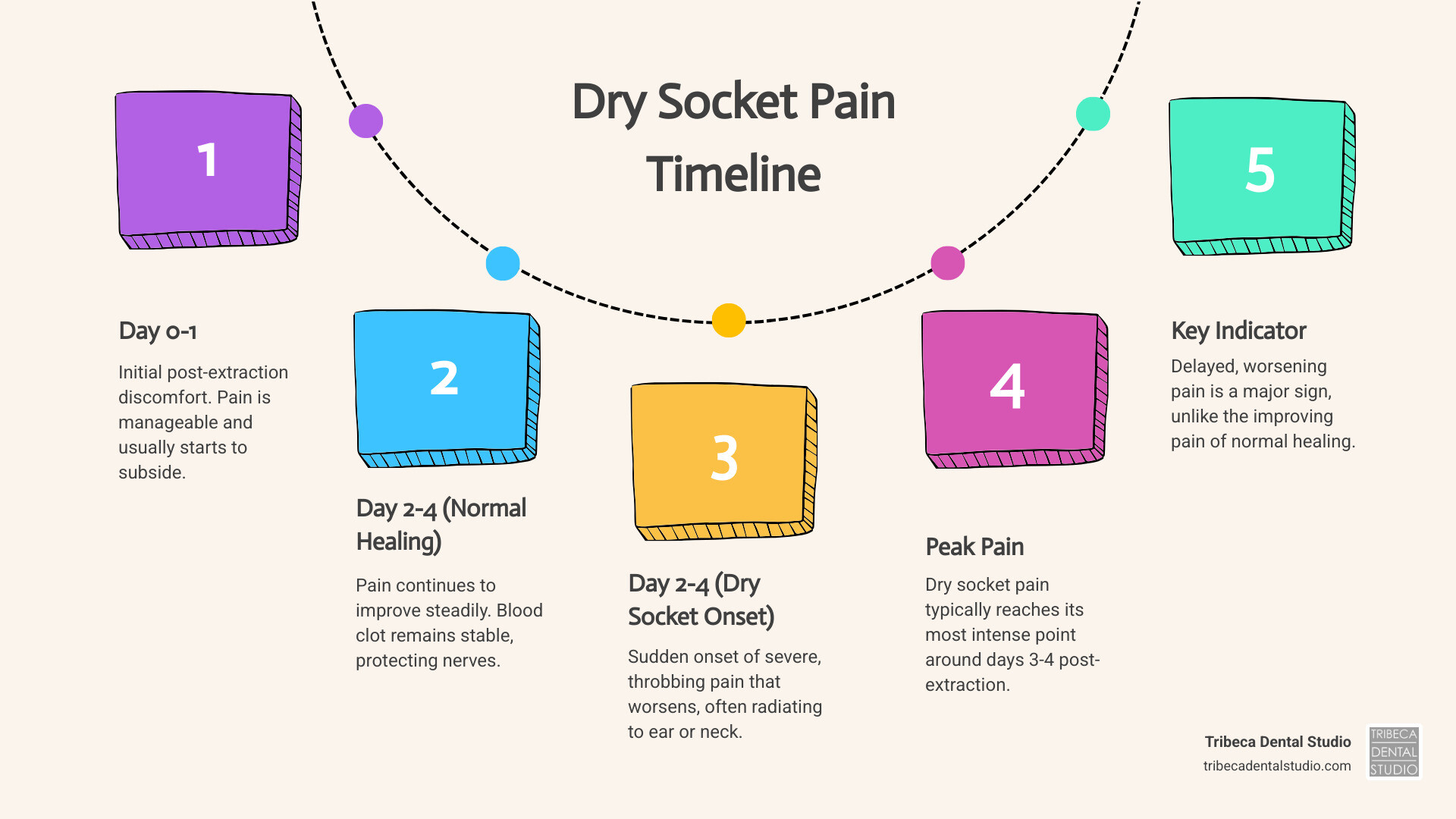
- Not immediately – Pain from a dry socket usually begins 1 to 3 days after your tooth removal
- Delayed onset – You may feel fine initially, then experience sudden, severe pain 2-4 days post-extraction
- Worsening pattern – Unlike normal healing pain that gradually improves, dry socket pain intensifies over time
- Peak discomfort – Pain typically reaches its worst around days 3 and 4 after extraction
This delayed pain pattern is actually one of the key ways to tell the difference between normal post-extraction discomfort and a dry socket. If your pain was manageable after surgery but suddenly becomes severe a few days later, that’s a red flag worth paying attention to.
Research shows that dry socket affects approximately 2% to 5% of all tooth extractions, though this number jumps to as high as 38% for wisdom tooth removals. The condition occurs when the protective blood clot at your extraction site fails to form properly, gets dislodged too early, or dissolves before your wound has healed—leaving the underlying bone and nerve endings exposed.
As Dr. Nina Izhaky at Tribeca Dental Studio, I’ve guided countless patients through tooth extraction recovery and helped them understand does a dry socket hurt right away versus the typical healing timeline. My focus is on providing personalized, compassionate care that helps you know exactly what to expect during your recovery.
What is a Dry Socket and Why Does it Happen?
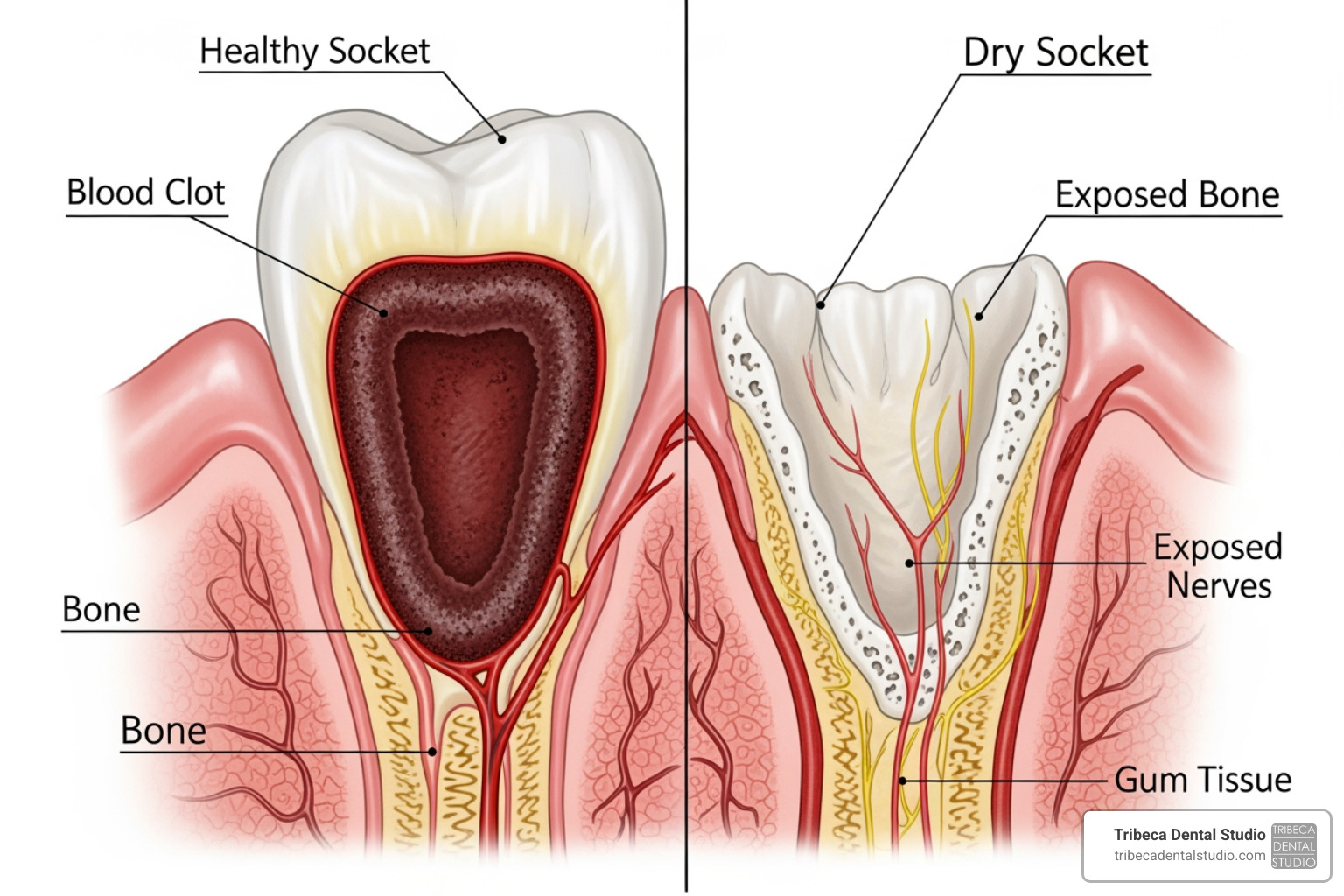
A dry socket, medically known as alveolar osteitis, is a painful dental condition that can occur after you’ve had a permanent adult tooth extracted. Normally, after a tooth is removed, a blood clot forms in the empty socket. This clot is crucial for proper healing. It acts as a protective barrier, shielding the underlying bone and nerve endings from the outside world. Think of it as nature’s own bandage.
When this blood clot either fails to form, becomes dislodged, or dissolves too soon, it leaves the sensitive bone and nerves exposed. This exposure leads to irritation, inflammation, and intense pain. It’s a bit like having a cut that scabs over, but then the scab falls off too early, leaving raw tissue vulnerable and painful.
The Role of the Blood Clot
The blood clot that forms in your tooth socket after an extraction is more than just a plug; it’s a vital component of the healing process. This clot serves as the foundation for new tissue growth, providing a scaffold for your body to rebuild bone and soft tissue. Critically, it protects the delicate nerve endings and underlying bone from food particles, bacteria, and air, which would otherwise cause discomfort and delay healing.
When this essential blood clot is dislodged or dissolves prematurely, the protective seal is broken. Without it, the healing process is significantly interrupted, and the exposed area becomes highly sensitive and prone to pain. This is why preserving the blood clot is paramount to a smooth and comfortable recovery after a tooth extraction.
How Common is Dry Socket?
While tooth extractions are common procedures, dry socket is a relatively infrequent complication. According to research, dry socket occurs in approximately 1% to 5% of all routine dental extractions. However, the incidence rate can increase significantly in certain situations. For instance, after the surgical removal of wisdom teeth, the likelihood of developing a dry socket can jump to as high as 30-38%. This higher rate is often due to the more complex nature of these extractions, which can involve greater tissue trauma and a larger wound site.
It’s important to be aware of these statistics on dry socket prevalence so you can understand your individual risk and take appropriate preventative measures. Our team at Tribeca Dental Studio is always here to discuss any concerns you might have regarding the likelihood of dry socket based on your specific extraction.
Does a Dry Socket Hurt Right Away? Understanding the Pain Timeline
This is perhaps the most crucial question for many patients: does a dry socket hurt right away? The answer, as we’ve established, is no. The pain associated with a dry socket typically has a delayed onset, appearing one to four days after your tooth extraction. This delayed pain is a key characteristic that helps distinguish it from the normal discomfort you’d expect immediately following surgery.
Immediately after an extraction, it’s normal to experience some pain, swelling, and tenderness. This initial discomfort is part of the natural healing process and usually begins to subside within a day or two, often managed effectively with prescribed pain medication or over-the-counter remedies.
However, with a dry socket, the pain doesn’t follow this improving trajectory. Instead, it starts later, intensifies, and often becomes severe.
Here’s a comparison to help you understand the difference:
| Normal Post-Extraction Pain | Dry Socket Pain |
|---|---|
| Starts immediately after procedure | Usually begins 1 to 3 days after the extraction |
| Gradually lessens over time | Starts a few days post-procedure and worsens rather than improves; can peak around days 3 and 4 |
| Manageable with prescribed or OTC pain relievers | Often severe, throbbing, and persistent; over-the-counter pain relievers are usually ineffective |
| Localized to the extraction site | Can radiate to the ear, eye, temple, or neck on the same side as the extraction |
| No visible empty socket or exposed bone | May involve a visible empty socket with exposed bone or a partial/total loss of the blood clot |
| No bad breath or foul taste | Often accompanied by bad breath (halitosis) and an unpleasant taste in the mouth |
So, does a dry socket hurt right away or does it develop over time?
To reiterate, a dry socket does not typically hurt right away. The discomfort you feel immediately after your tooth is removed is generally the result of the surgical procedure itself, and it should gradually subside. If your pain was initially manageable but then suddenly escalates to a severe, throbbing ache a few days later, that’s a strong indicator that you might be developing a dry socket.
The pain from a dry socket usually begins 1 to 3 days after the tooth removal, often peaking around days 3 and 4. This delayed, worsening pain pattern is a critical sign. It’s a stark contrast to the expected healing trajectory, where discomfort should steadily improve. If you find yourself experiencing this sudden, intense pain that doesn’t let up, contact us.
How does dry socket pain feel compared to initial extraction pain?
The pain of a dry socket is distinctly different and far more severe than the routine discomfort following a tooth extraction. While initial extraction pain might be a dull ache or soreness, dry socket pain is often described as a sharp, intense, throbbing pain that can be unbearable.
What’s particularly troubling about dry socket pain is its tendency to radiate. This means the pain doesn’t stay localized to the extraction site. Instead, it can spread significantly, reaching your ear, eye, temple, or even down your neck, all on the same side as the affected tooth. This intense, deep-set ache is typically not relieved by standard over-the-counter pain medications, which are often sufficient for normal post-operative discomfort. If you’re experiencing pain that keeps you up at night or doesn’t improve with medication, it’s a clear sign to seek professional help. Our goal at Tribeca Dental Studio is always to provide Pain-Free Dentistry and ensure your comfort, especially during recovery.
What Are the Telltale Signs of a Dry Socket?
Recognizing the signs of a dry socket early is key to getting prompt treatment and finding relief. Beyond the severe, delayed pain, there are several visual and sensory cues that indicate you might be dealing with this complication. It’s important to pay close attention to how your extraction site looks and feels in the days following your procedure.
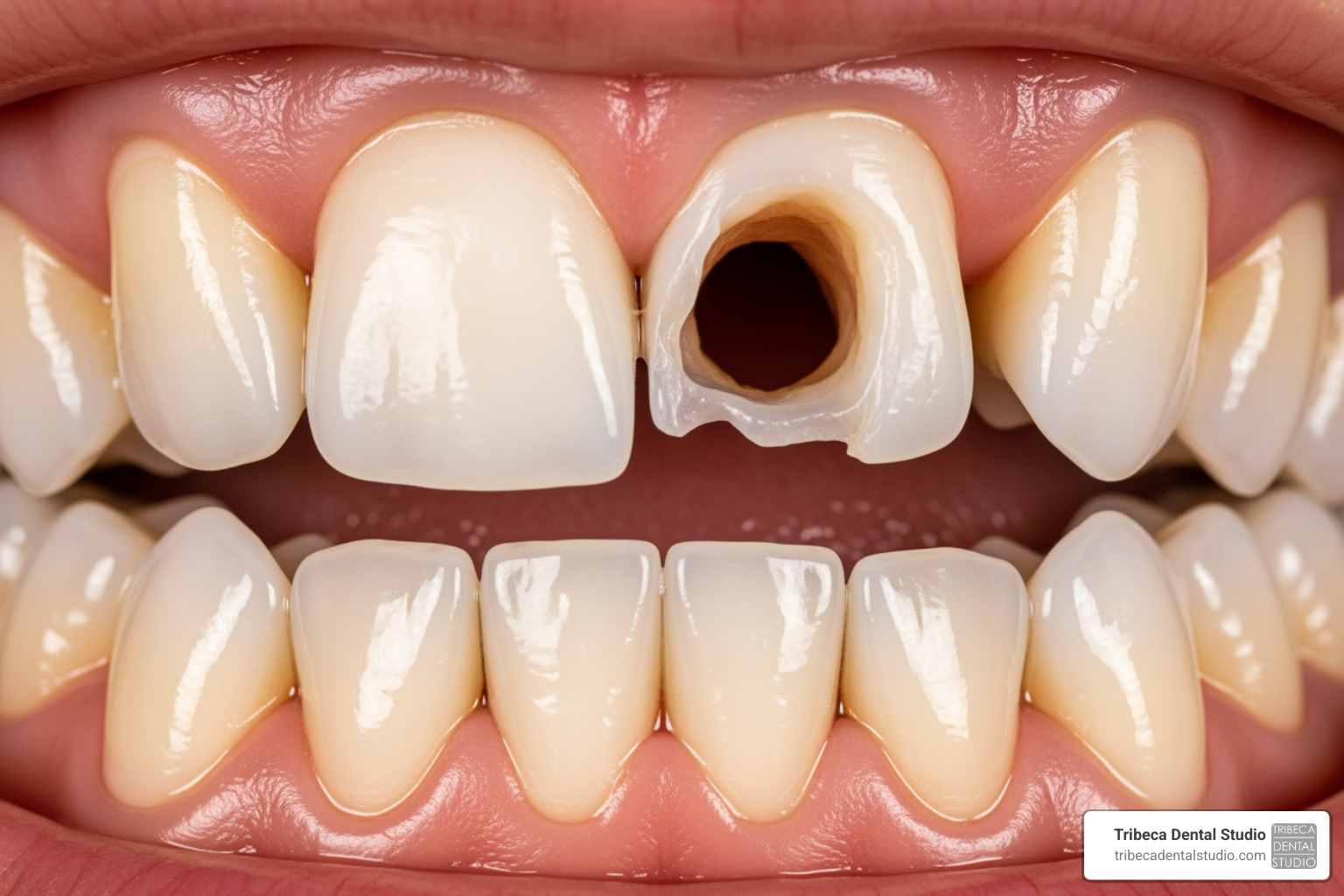
A healthy healing socket should have a dark blood clot covering the extraction site. However, if you develop a dry socket, you might notice an empty hole where the tooth once was. Sometimes, you can even see the underlying bone, which may appear whitish.
Key Symptoms to Watch For
Here’s a list of the most common symptoms that signal a dry socket:
- Severe, Worsening Pain: This is the most prominent symptom. The pain typically starts a few days after the extraction and, unlike normal healing pain, it gets worse rather than better. It can be a deep, throbbing ache.
- Visible Empty Socket: When you look into your mouth, you might see an empty space where the blood clot should be.
- Partial or Total Loss of Blood Clot: The protective blood clot may be gone, or only remnants of it might be visible, leaving the bone exposed.
- Bad Breath (Halitosis): An unpleasant odor emanating from your mouth, often described as foul or putrid.
- Unpleasant Taste in the Mouth: A persistent, disagreeable taste that doesn’t go away.
- Radiating Pain: The pain often extends beyond the extraction site, spreading to your ear, eye, temple, or neck on the same side of your face.
- Ineffectiveness of Pain Medication: Over-the-counter pain relievers that initially helped with post-extraction discomfort may become ineffective against dry socket pain.
If you experience any combination of these symptoms, especially worsening pain a few days after your tooth extraction, it’s crucial to contact us immediately.
How is a dry socket diagnosed by a dentist?
Diagnosing a dry socket is typically straightforward for a dentist. When you come to Tribeca Dental Studio with suspected symptoms, our process involves:
- Visual Examination: We will carefully examine your extraction site. A dry socket often presents as an empty-looking hole where the blood clot is either missing or has dissolved, leaving the underlying bone visible. In contrast, a healthy healing socket would show a dark, intact blood clot.
- Patient-Reported Symptoms: We’ll discuss your symptoms in detail, including when the pain started, its severity, how it feels (e.g., throbbing, radiating), and if you’ve noticed any bad taste or odor. Your description of the pain timeline – especially if it worsened days after the extraction – is a key diagnostic clue.
- Ruling Out Other Conditions: Sometimes, other issues can cause similar pain. We might consider and rule out possibilities like infection or a retained tooth root fragment.
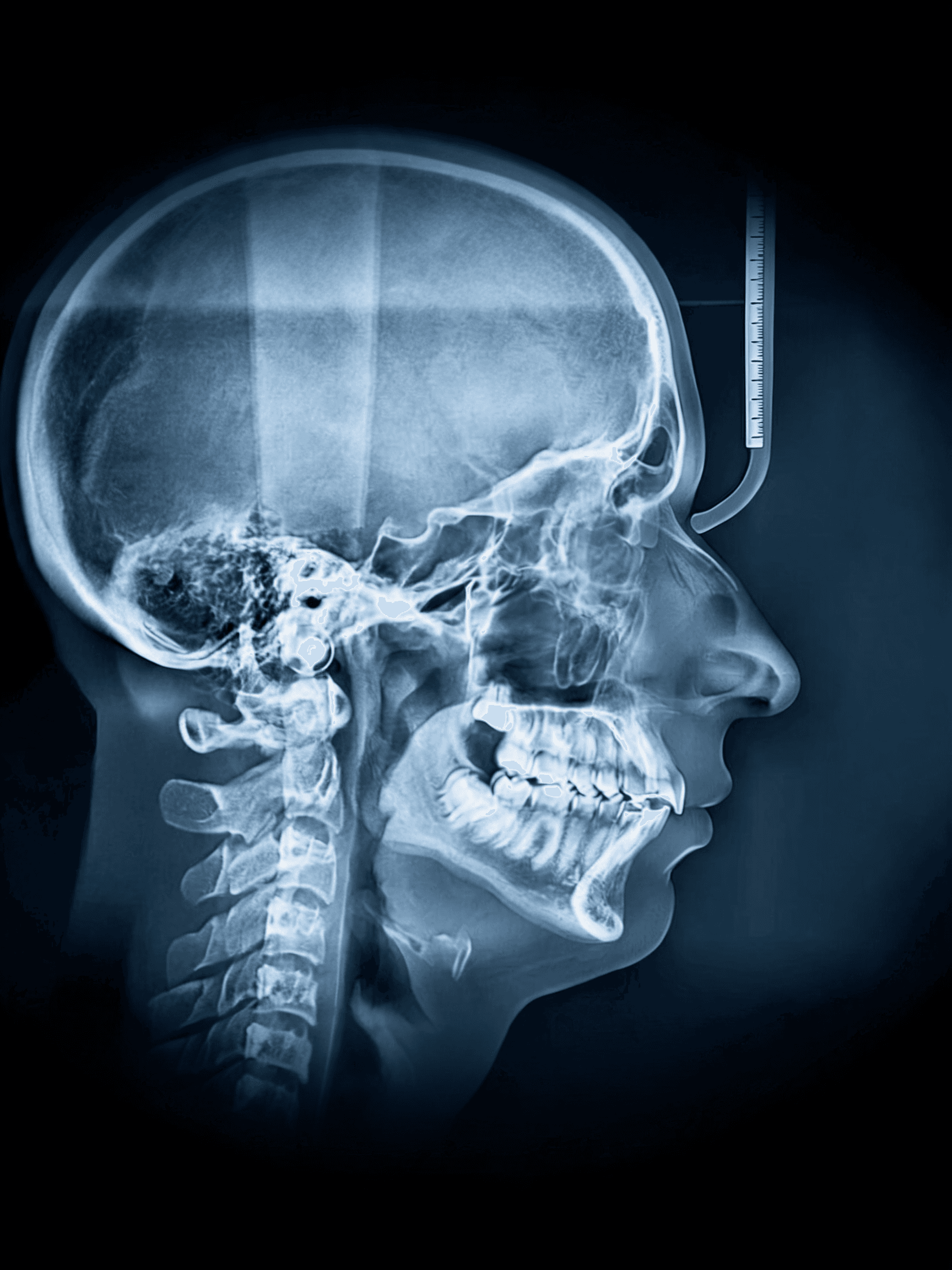
- X-rays for Bone Fragments: In some cases, an X-ray might be taken to ensure there are no remaining tooth fragments or bone pieces in the socket that could be causing the pain or preventing healing. This also helps to rule out other complications like bone infection (osteomyelitis).
If you’re experiencing severe pain or suspect a dry socket, don’t hesitate to reach out. We offer same-day appointments for urgent concerns. For immediate help, learn When to see an Emergency Dentist in Tribeca NYC.
What Increases Your Risk and How Can You Prevent It?
While dry socket is not always preventable, understanding the factors that increase your risk and diligently following prevention strategies can significantly reduce your chances of developing this painful complication. Many of these factors relate directly to actions that can disturb the delicate blood clot that forms after your tooth extraction.
Factors That Increase Your Risk
Several elements can heighten your susceptibility to developing a dry socket:
- Smoking and Tobacco Use: This is one of the most significant risk factors. People who smoke are over three times more likely to develop dry socket than those who don’t. The chemicals in tobacco can interfere with healing, and the sucking motion of smoking can dislodge the blood clot.
- Oral Contraceptives: High estrogen levels, such as those from birth control pills, can interfere with normal healing processes and increase the risk of dry socket.
- Poor Oral Hygiene: An existing tooth or gum infection, or generally poor oral hygiene, can introduce bacteria into the extraction site, potentially leading to the breakdown of the blood clot.
- Difficult or Traumatic Extractions: Extractions that are more complex, such as the removal of impacted wisdom teeth, can cause greater tissue trauma. This increased trauma can make the blood clot less stable or more prone to dislodgement.
- History of Dry Socket: If you’ve had a dry socket after a previous tooth extraction, you are at a higher risk of developing it again.
- Aggressive Rinsing or Spitting: Vigorous actions in your mouth can create suction or pressure that dislodges the blood clot.
- Certain Medications: Discuss all medications you are taking with your dentist, as some may affect blood clotting or healing.
Even if you’ve had Can You Get Dry Socket With Stitches?, you can still be at risk if the clot is compromised.
How to Prevent Dry Socket After a Tooth Extraction
Prevention is always better than treatment, especially when it comes to the intense pain of a dry socket. Here are our best practices and actionable steps to follow after your tooth extraction:
- Follow Aftercare Instructions Carefully: Your dentist will provide specific post-operative care instructions. Adhere to them strictly. They are custom to promote healing and prevent complications.
- Avoid Straws and Suction: For at least a week after surgery, do not drink through a straw. The suction created can easily dislodge the protective blood clot. Also, avoid spitting forcefully.
- No Smoking or Tobacco Use: This is critical. Avoid smoking or using any tobacco products for at least 48 hours after surgery, and ideally for as long as possible. The chemicals hinder healing, and the sucking motion is detrimental.
- Stick to a Soft Food Diet: For the first few days, eat soft foods like yogurt, mashed potatoes, soups, and smoothies. Avoid crunchy, hard, chewy, or spicy foods that could irritate the site or dislodge the clot. Chew on the opposite side of your mouth from the extraction if possible.
- Gentle Rinsing with Salt Water: After the first 24 hours, you can gently rinse your mouth with warm salt water several times a day. Mix 1/2 teaspoon (2.5 milliliters) of table salt in 8 ounces (237 milliliters) of warm water. This helps keep the area clean and promotes healing without disturbing the clot. Avoid vigorous swishing.
- Avoid Vigorous Activity: Rest for the remainder of the day after surgery. Limit strenuous physical activity and vigorous exercise for at least 24-48 hours. Increased blood pressure can affect the clot.
- Maintain Good Oral Hygiene (Carefully): You can brush your other teeth as usual, but be very gentle around the extraction site for the first few days.
- Stay Hydrated: Drink plenty of clear liquids. Avoid alcoholic, caffeinated, carbonated, or hot beverages for at least the first few days.
- Manage Gauze Use: Follow instructions on When to Stop Using Gauze After Tooth Extraction. Prolonged or improper gauze use can sometimes affect the clot.
By diligently following these guidelines, you significantly increase your chances of a smooth, pain-free recovery.
How Is Dry Socket Treated and How Long Does It Last?
If, despite your best efforts, you develop a dry socket, rest assured that professional treatment is highly effective in relieving pain and promoting healing. The good news is that dry socket rarely leads to serious long-term complications, but it does require dental intervention to manage the intense pain and ensure proper recovery. Our team at Tribeca Dental Studio is well-equipped to provide the necessary care.
The primary goals of treatment are to alleviate your pain, protect the exposed bone and nerves, and encourage the formation of new tissue.
What are the treatment options for dry socket?
When you come to us with a dry socket, our treatment focuses on immediate pain relief and supporting the healing process:
- Cleaning the Socket / Flushing Debris: We will gently clean the extraction site to remove any food particles, bacteria, or debris that may have accumulated. This is often done by flushing the socket with a saline solution or an antiseptic rinse, like chlorhexidine.
- Medicated Dressing: This is a cornerstone of dry socket treatment. We will place a special medicated dressing directly into the socket. This dressing often contains numbing agents and other medications (like zinc oxide-eugenol paste) that provide relatively fast and significant pain relief. The dressing acts as a protective barrier over the exposed bone and nerves.
- Pain Medication: While the medicated dressing works wonders, we may also prescribe stronger pain medication if your discomfort is severe and over-the-counter options are insufficient.
- Home Care Instructions: We’ll provide you with detailed instructions for home care, which typically include how to gently rinse your mouth to keep the area clean and how to manage discomfort between appointments.
- Follow-up Appointments: The medicated dressing usually needs to be changed every day or two until your symptoms improve. We’ll schedule follow-up visits to monitor your healing and replace the dressing as needed.
For more information on the types of procedures we offer, including those that might involve extractions and their potential complications, please visit our page on Oral Surgery services.
How long does dry socket last?
With proper professional care, the intense pain and discomfort associated with a dry socket typically begin to subside once treatment starts. The condition itself usually heals within seven to ten days. During this time, the medicated dressings help protect the site while new tissue forms to cover the exposed area.
While a dry socket can make your recovery period longer and more uncomfortable than a typical extraction, it’s important to remember that it is a temporary condition. The goal of our treatment is to make those 7 to 10 days as comfortable as possible for you. You can find more detailed information on the healing timeline and what to expect during recovery on our page, How Long Does Dry Socket Last? Symptoms, Treatment, Prevention. Additionally, the Information on dry socket healing from Cleveland Clinic supports this general recovery period.
Frequently Asked Questions about Dry Socket Pain
What if my pain does hurt right away after extraction?
If you experience pain immediately after your tooth extraction, this is completely normal. Initial post-operative pain, swelling, and tenderness are expected as part of the body’s natural healing response to surgery. This pain is usually manageable with the pain medication prescribed by your dentist or oral surgeon, or with over-the-counter pain relievers. The key differentiator is that normal post-operative pain should gradually decrease over the first few days. If your pain is immediate but then starts to worsen significantly after 24-48 hours, or if it becomes unmanageable, then it might be signaling something more than just typical recovery. Always contact us if you’re concerned about the intensity or progression of your pain.
Can I treat a dry socket at home without seeing a dentist?
While some online sources might suggest temporary home remedies for dry socket, it’s strongly recommended that you do not attempt to treat a dry socket at home without professional dental supervision. Over-the-counter pain relievers are rarely sufficient to manage the severe pain of a dry socket. More importantly, attempting to clean or pack the socket yourself can introduce bacteria, leading to a serious infection, or further irritate the exposed bone and nerves. A dentist can accurately diagnose the condition, gently clean the site, and apply a medicated dressing that provides substantial pain relief and promotes proper healing. Delaying professional treatment can prolong your pain and potentially lead to complications.
Will a dry socket heal on its own?
Most dry sockets will eventually heal on their own, but this can take much longer (sometimes weeks) and involve prolonged, intense pain. Without professional treatment, the exposed bone and nerves remain vulnerable, leading to persistent severe discomfort and a higher risk of secondary infection. Treatment by a dentist, such as cleaning the socket and placing a medicated dressing, significantly reduces pain, protects the wound, and accelerates the healing process, ensuring a more comfortable and faster recovery. It’s always best to seek professional care to avoid unnecessary suffering and potential complications.
Get Expert Care for Your Tooth Extraction Recovery
Understanding the nuances of post-extraction pain, particularly the question of does a dry socket hurt right away, is essential for a smooth recovery. Dry socket pain is typically delayed, usually starting 1 to 3 days after your tooth removal, and it tends to worsen rather than improve over time. This distinct pattern, along with other symptoms like a visible empty socket or radiating pain, are crucial indicators that you need professional attention.
At Tribeca Dental Studio, led by Dr. Nina Izhaky, we believe in a personalized approach to dentistry, treating every patient like family. We understand that tooth extractions can be daunting, and complications like dry socket can add to your concerns. That’s why our team is committed to providing comprehensive, advanced, and welcoming oral healthcare right here in Tribeca, Manhattan, New York City.
If you’re in NYC and concerned about your recovery after a Tooth Extraction NYC: Your Complete Guide to Safe and Professional Dental Care, our team is here to help. Don’t hesitate to reach out if you suspect you have a dry socket or have any questions about your post-extraction care. We’re dedicated to ensuring your comfort and promoting optimal healing.