Cheeky Solutions for Missing Teeth
May 2, 2026
When Traditional Implants Aren’t an Option: Understanding Zygomatic Dental Implants
What is zygomatic dental implants is one of the most important questions anyone with severe upper jaw bone loss can ask — and the answer could change everything about your treatment options.
Zygomatic dental implants are a specialized type of implant designed for people who don’t have enough bone in their upper jaw for traditional implants. Instead of anchoring into the jawbone, they anchor into the zygomatic bone — your cheekbone — which is denser and unaffected by tooth loss.
Here’s a quick summary:
| Feature | Zygomatic Implants |
|---|---|
| Anchor point | Cheekbone (zygomatic bone) |
| Who they’re for | Severe upper jaw bone loss |
| Bone grafting needed? | No |
| Same-day teeth possible? | Yes, in most cases |
| Success rate | 96–98% |
| Implant length | 30–52.5 mm (much longer than standard) |
Unlike traditional implants, which need a minimum of about 10 mm of healthy jawbone to work, zygomatic implants bypass that requirement entirely. They were first developed in the late 1990s by Dr. Per Ingvar Brånemark — widely recognized as the father of dental implantology — and have since become a trusted solution for patients who were previously told implants simply weren’t possible for them.
If you’ve been told you’re “not a candidate” for implants because of bone loss, zygomatic implants may be the graft-free path forward you’ve been looking for.
I’m Dr. Nina Izhaky, a graduate of New York University College of Dentistry and the founder of Tribeca Dental Studio, where I bring together a full team of on-site specialists — including periodontists and oral surgeons — to deliver personalized care for complex cases like what is zygomatic dental implants and how they can work for you. With access to state-of-the-art digital technology and a multidisciplinary approach, our team is equipped to evaluate and guide you through even the most advanced implant solutions.

Simple guide to what is zygomatic dental implants:
What is Zygomatic Dental Implants?
When we talk about what is zygomatic dental implants, we are describing a “remote anchorage” solution. In dentistry, standard implants are like short screws that go into the jawbone. Zygomatic implants, however, are the “heavy lifters” of the implant world. They are significantly longer and are placed at an angle to reach past the thin or missing jawbone and anchor firmly into the sturdy zygomatic bone (the cheekbone).

Because the cheekbone is much denser and more stable than the upper jawbone (maxilla), it provides an incredibly secure foundation. This allows us to support a full bridge of teeth even when the jawbone has significantly receded. We often utilize the Straumann® Zygomatic Implant System, which is engineered specifically for these anatomical challenges. If you are curious about how we implement these at our practice, you can find more info about zygomatic implants at Tribeca Dental Studio.
Understanding the Anatomy of what is zygomatic dental implants
To truly grasp what is zygomatic dental implants, you have to look at the unique anatomy involved. The zygomatic arch is part of the facial skeleton that remains remarkably stable throughout your life. While jawbone tends to “resorb” or shrink once teeth are lost, the cheekbone stays dense and strong.
These implants are impressive pieces of engineering:
- Length: While a standard implant might be 10–15mm long, a zygomatic implant ranges from 30 to 52.5mm.
- Angulation: They are typically placed at a 45-degree angle. This allows the head of the implant to emerge in the mouth where a tooth should be, even though the base is anchored high up in the cheek.
- Bone Quality: The zygomatic bone is primarily cortical bone (dense and hard), which is 80% cortical compared to the much softer bone found in the back of the upper jaw.
For a deeper dive into the mechanics, you can view this Zygoma implant technical overview.
Who is a Candidate for what is zygomatic dental implants?
We often see patients in our Tribeca office who feel discouraged because they’ve been told their bone loss is too severe for a smile makeover. You might be an ideal candidate for zygomatic implants if you have experienced:
- Severe Maxillary Atrophy: This is the medical term for extreme bone loss in the upper jaw.
- Failed Bone Grafts or Sinus Lifts: If you’ve tried traditional grafting and it didn’t take, zygomatic implants offer a “bypass” solution.
- Long-term Denture Wear: Wearing dentures for decades often causes the jawbone to wear away because it isn’t being stimulated by tooth roots.
- Periodontal Disease: Severe gum disease can destroy the supporting bone, making standard implants impossible.
- Trauma or Tumor Resection: Patients who have lost bone due to injury or surgery often find these to be the only viable option.
Our team specializes in providing solutions for severe bone loss in Tribeca, ensuring that no matter how much bone you’ve lost, a fixed smile is still within reach.
Zygomatic vs. Traditional Implants: Key Differences
The biggest difference lies in the “where” and the “how long.” Traditional implants require you to have enough “real estate” in your jaw. If that bone is gone, you usually have to undergo months of bone grafting and sinus lifts before an implant can even be placed. Zygomatic implants skip those steps.
| Feature | Traditional Implants | Zygomatic Implants |
|---|---|---|
| Anchorage | Maxilla (Upper Jawbone) | Zygoma (Cheekbone) |
| Surgery Site | Localized to the gums/jaw | Involves the cheekbone area |
| Bone Grafting | Often required if bone is thin | Rarely required |
| Sinus Involvement | Often requires a sinus lift | Bypasses or goes through the sinus |
| Total Timeline | 6–12 months (with grafting) | Same-day or “Teeth in a Day” |
| Stability | High, once integrated | Immediate “primary stability” |
As noted in The Dentist – Zygomatic implants, this approach significantly reduces “morbidity” (the discomfort and complications associated with surgery) because it eliminates the need for secondary donor sites for bone grafts. For patients looking at all their options, we also offer a guide comparing zygomatic and pterygoid options to see which remote anchorage point is best for your specific anatomy.
The Procedure: From 3D Planning to Same-Day Smiles
At Tribeca Dental Studio, we believe the key to a successful zygomatic procedure is what happens before the surgery. Because these implants are placed near sensitive structures like the eyes and sinuses, precision is everything.
The process generally follows these steps:
- Consultation & 3D Imaging: We use high-resolution scans to map your facial structure.
- Virtual Planning: We “place” the implants on a computer model before you ever sit in the surgical chair.
- The Procedure: Performed under intravenous (IV) sedation for your comfort, the implants are placed into the cheekbone.
- Immediate Loading: In many cases, we can attach a temporary, fixed bridge the very same day. You walk in with a missing smile and walk out with functional teeth.
This “immediate loading” protocol is a game-changer. You can read more about how this works in The Use of Zygomatic Implants in Restorative Cases or explore our advanced dental implant services for a general overview of our capabilities.
Technology and Precision Planning
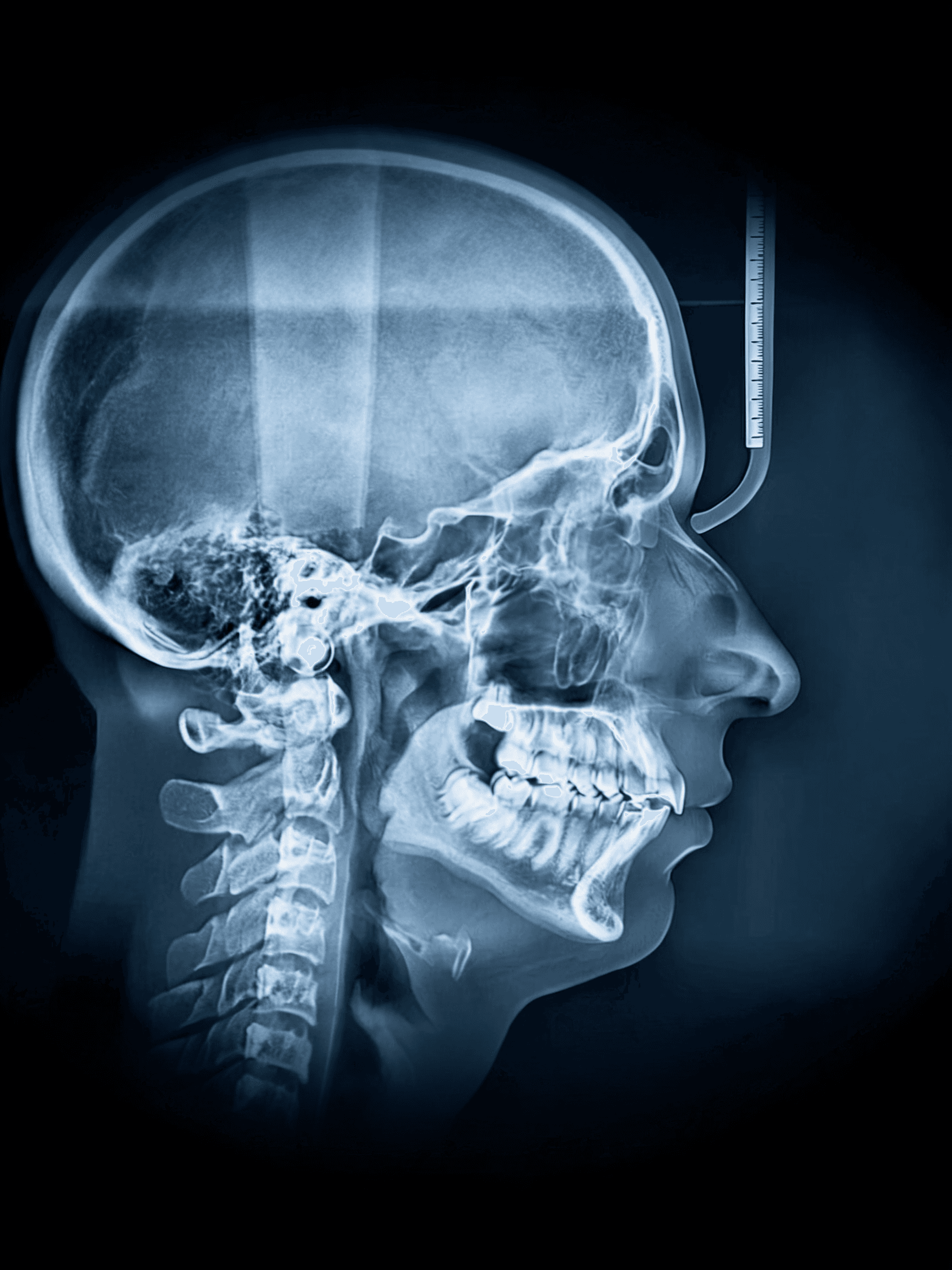
We utilize 3D cone-beam CT (CBCT) technology to create a digital roadmap of your skull. This allows us to use “guided surgery,” where a custom-made template ensures the implant goes exactly where the computer planned it.
One specific method we follow is the ZAGA technique (Zygoma Anatomically Guided Approach). This technique focuses on the patient’s unique anatomy, placing the implant in a trajectory that respects the sinus cavity and maximizes the contact between the bone and the implant. This ensures “primary stability”—the immediate tightness required to support a new set of teeth on day one. For a look at the future of these treatments, check out our zygomatic dental implants guide 2026.
Integration with All-on-4 and Full-Arch Restorations
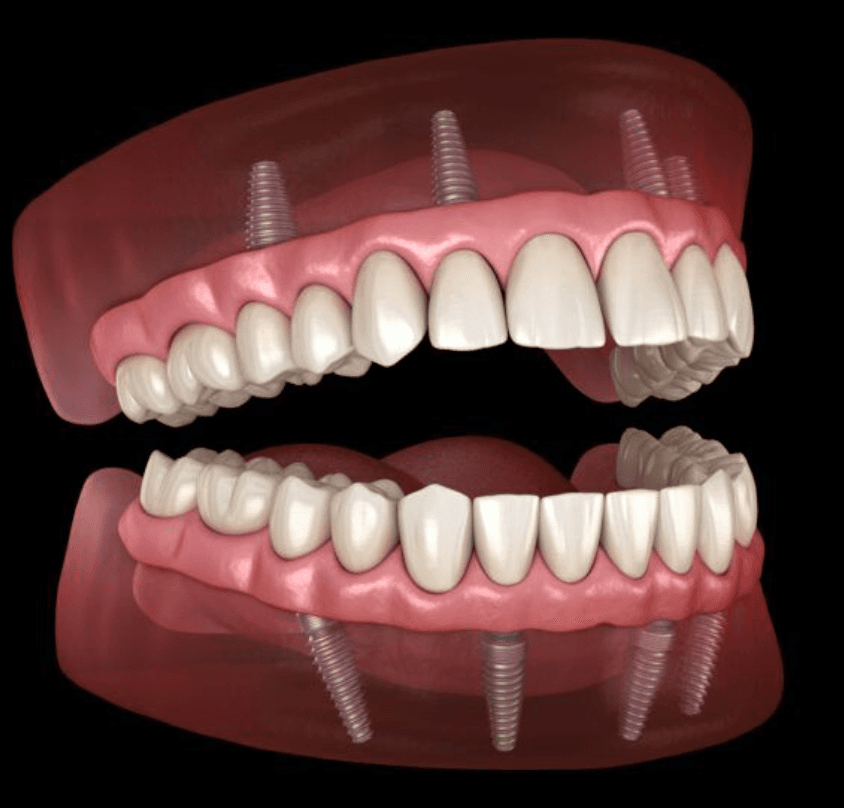
Zygomatic implants are rarely used alone. Usually, they are part of a full-arch restoration.
- Hybrid Approach: We might place two zygomatic implants in the back and two traditional implants in the front.
- Quad Zygoma: If there is absolutely no bone in the front or back, we place four zygomatic implants (two on each side).
This setup supports a “hybrid bridge”—a beautiful, fixed set of teeth that doesn’t come out and doesn’t cover the roof of your mouth like a traditional denture. If you’re weighing your options, our Zygomatic vs All-on-6 guide can help you decide which full-arch path is right for you.
Benefits, Risks, and Success Rates
The data is clear: zygomatic implants are highly predictable. Research shows a success rate of over 96%, which is nearly as high as traditional implants (98%).
Advantages Over Bone Grafting
The most significant benefit is time. Traditional bone grafting can add 6 to 12 months to your treatment. You have to wait for the graft to heal, then wait for the implant to heal. With zygomatic implants, we skip the waiting room.
- Single Surgery: One procedure instead of multiple stages.
- Cost-Effectiveness: While the implants themselves are more specialized, avoiding multiple graft surgeries and months of appointments often makes the total cost comparable.
- Predictability: Bone grafts can sometimes fail to “take.” The cheekbone, however, is a reliable constant.
Potential Risks and Complications
No surgery is without risk, and because zygomatic implants are more invasive than standard ones, it is vital to be aware of potential issues. These can include:
- Sinusitis: Since the implants are close to the sinus, temporary inflammation can occur.
- Paresthesia: Temporary numbness in the cheek or lip area.
- Oroantral Fistula: A small opening between the mouth and sinus that may require closing.
- Peri-implantitis: Like natural teeth, implants can get “gum disease” if not cleaned properly.
This is why we emphasize the importance of potential zygomatic implant complications and why choosing a specialist is non-negotiable.
Frequently Asked Questions about Zygomatic Implants
How much do zygomatic implants cost and is financing available?
Because this is a highly specialized surgery involving advanced technology and materials, the cost is higher than a single standard implant. Typically, a full-arch restoration involving zygomatic implants starts in the $20,000–$30,000 range per arch. However, at Tribeca Dental Studio, we believe everyone deserves a functional smile. We offer various payment plans and financing options to help fit this life-changing treatment into your budget.
What can I expect during the recovery process?
The first 24–48 hours involve some swelling and minor discomfort, usually managed with over-the-counter or prescribed pain relief. You’ll stay on a soft-food diet for a few weeks while the implants begin to fuse with the bone (a process called osseointegration). Full integration takes about 4–6 months, but you’ll have your temporary teeth to use in the meantime!
Why is it important to choose a qualified specialist?
Placing a 50mm screw into a facial bone requires more than just basic dental training. It requires an intimate knowledge of maxillofacial anatomy. At our practice, we have oral surgeons and periodontists who have undergone specific advanced training for these procedures. This multidisciplinary approach ensures that both the surgical side (the implant) and the restorative side (the teeth) work together perfectly.
Conclusion
Understanding what is zygomatic dental implants is the first step toward reclaiming a smile you thought was lost forever. At Tribeca Dental Studio, Dr. Nina Izhaky and our expert team are dedicated to proving that “no bone” doesn’t mean “no hope.” We treat every patient like family, providing a warm, welcoming environment right here in the heart of Manhattan.
If you’ve been told you aren’t a candidate for traditional implants, don’t give up. The cheekbone offers a sturdy, reliable foundation for the smile you deserve. Schedule your zygomatic implant consultation today and let us help you start your journey toward a confident, permanent smile.